Bulgaria sends gambling ad ban bill to parliament; affiliate licences would end January 1, 2027
Bulgaria's Council of Ministers approved a bill amending the Gambling Act on November 11, 2026 (Decision No. 855) and sent it to the National Assembly. A rewritten Article 10 would ban advertising of gambling games, operators, their trademarks and distinctive signs in any form, with narrow exceptions. Licences issued to affiliate operators would be terminated as of January 1, 2027, the date the law would take effect. The bill also requires payment institutions, banks and e-money firms to pay the state any fee they charge above 1.5% of a gambling payment, sets a minimum monthly licence fee of EUR 100,000 for online betting, and gives existing foreign online licensees until June 30, 2027 to operate through a Bulgarian place of business or lose their licence.
 5 Min Read
Overview
- The Council of Ministers approved the draft amendments to the Gambling Act on November 11, 2026, by Decision No. 855, and asked the National Assembly to adopt them. The finance minister will present the bill.
- New Article 10 bans gambling advertising "regardless of the form, method and place of dissemination." Exceptions cover operator websites and licensed venues, Bulgarian Sports Totalizator draws, limited facade signs and sports sponsorship.
- Affiliate operators' licences would be terminated as of January 1, 2027. The law would take effect that day, with parts of the land-based fee changes starting January 1, 2028.
- Payment institutions, banks and e-money firms would pay into the state budget any fee they charge above 1.5% of a gambling-related payment, declared monthly by the 15th.
- Online betting licensees would pay a variable fee of 21% of bets less winnings in 2027 and 22% from 2028, at least EUR 100,000 a month. Foreign licensees would need a Bulgarian place of business by June 30, 2027.
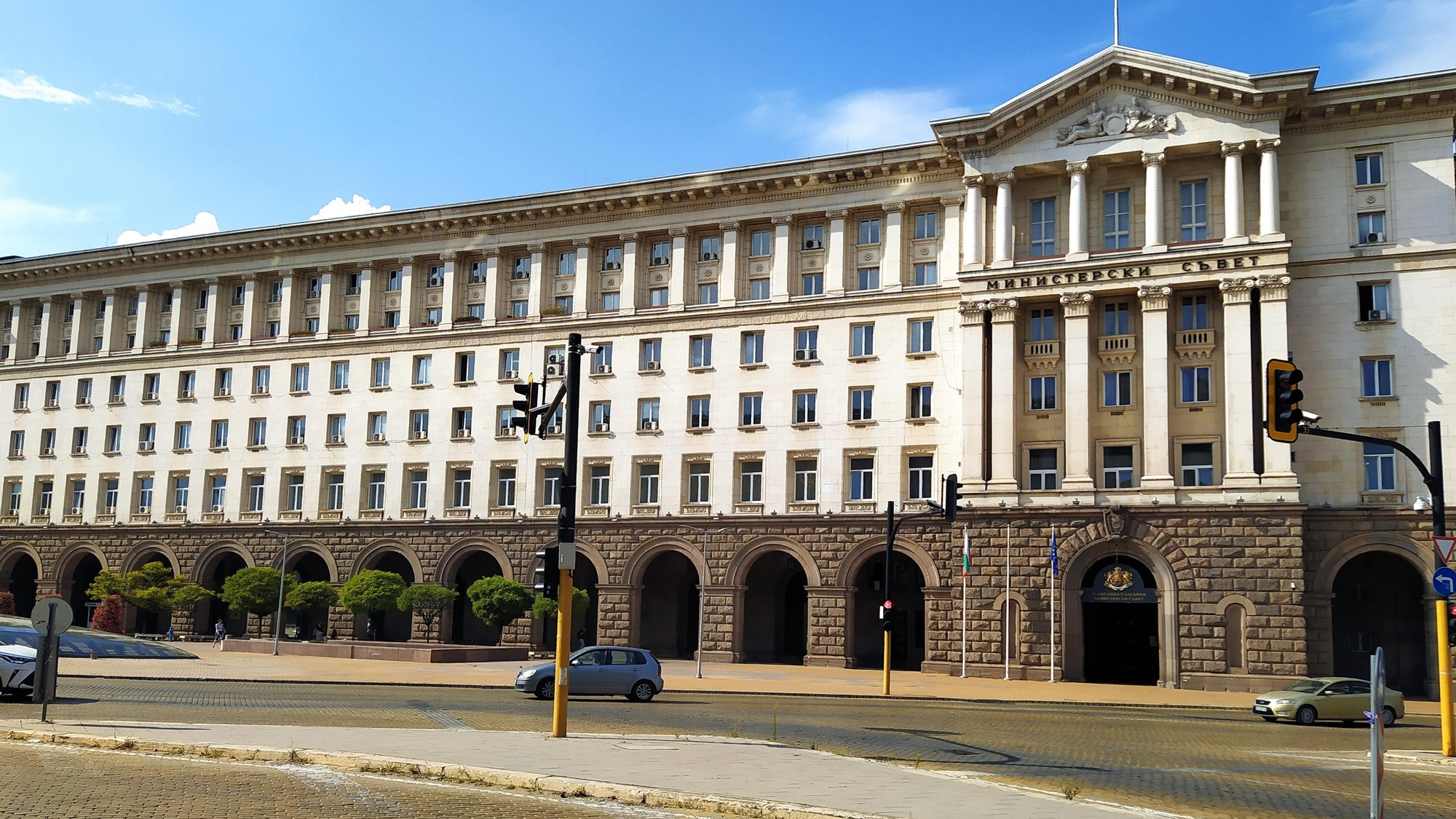
Bulgaria's government has sent parliament a Gambling Act overhaul that would shut down licensed gambling affiliates on January 1, 2027, and make payment companies hand the state part of what they earn on gambling transactions. The Council of Ministers approved the bill on November 11, 2026, by Decision No. 855, and asked the National Assembly to adopt it. The bill's centrepiece is a full ban on gambling advertising.
Advertising ban and its exceptions
A rewritten Article 10 would ban advertising of gambling games, gambling operators, their trademarks and their distinctive signs "regardless of the form, method and place of dissemination." The ban would not apply to:
- information on an operator's own website and in its licensed venues that is needed to organise and take part in the games;
- broadcasts and draws of the state-owned Bulgarian Sports Totalizator, and announcements of its prizes;
- signs on the facade of a licensed venue, limited to 20% of the facade and no more than 50 square metres. At least 10% of that area must carry the warning "Gambling carries a risk of developing addiction," and illuminated panels with moving or changing content are banned;
- sports kit, facilities, halls, stadiums and pools under sponsorship deals, but not kit or products made for minors.
Licensed operators could still sponsor licensed sports clubs, federations and organisations, as well as culture, healthcare and education events. In TV or online broadcasts of sponsored sports events, a sponsor's name or brand could not be added digitally beyond the signage physically present at the venue. The Council for Electronic Media would refer suspected breaches to the National Revenue Agency.
Affiliates and payment providers
Under the transitional provisions, licences issued to affiliate operators for promoting gambling "shall be terminated as of January 1, 2027." That is also the day the law would enter into force. The bill deletes affiliate references throughout the act.
A new Article 31 would cover payment institutions, banks and electronic money firms that process deposits and winnings. Where their total fee on a gambling payment exceeds 1.5% of the payment's value, they would pay the difference into the state budget. They would have to file a declaration electronically by the 15th of the following month and pay at the same time.
Fees, taxes and local presence
For online betting licences, the variable part of the state fee would rise from 20% of bets received less winnings paid to 21% from January 1, 2027, and 22% from January 1, 2028. It could not fall below EUR 100,000 a month in months when the operator is active. The same rates apply to lotteries, toto, bingo, keno and land-based sports betting. Operators could keep the extra 1 point in 2027, and 2 points from 2028, if they give that amount to licensed sports federations, registered sports clubs, the Bulgarian Olympic Committee or the National Paralympic Organisation.
Foreign companies could hold online betting licences only if they run the business through a place of business in Bulgaria that books the related revenue, costs and profit. Existing licensees would have until June 30, 2027, to comply. Otherwise, the National Revenue Agency's executive director would permanently revoke their licence.
For land-based venues, the 2027 quarterly alternative tax per slot machine would go from BGN 800 to EUR 600 (about EUR 409 at the fixed conversion rate of 1.95583). The tax per gaming table would go from BGN 22,000 to EUR 13,000. From January 1, 2028, that tax would be replaced by a fee of 20% of bets less winnings. The minimum would be EUR 200 a month per slot machine or seat and EUR 4,500 per roulette or gaming table. Casinos and gaming halls would have to connect their gaming equipment to the National Revenue Agency's systems by June 30, 2027. They would also have until April 30, 2027, to file documents showing they meet the location requirements in Articles 4(6) and 44(1).
One-off licence fees would also rise. They would be EUR 400,000 for online betting and EUR 300,000 or EUR 600,000 for a five- or ten-year casino licence. A new fee of EUR 50,000 or EUR 100,000 would apply to licences to make, import, distribute and service gaming equipment. Annual social-responsibility contributions would be EUR 60,000 for online betting, EUR 20,000 for casinos and EUR 10,000 for other games. The money would be split equally among the ministries of youth and sport, health, and education.
According to the explanatory memorandum, the advertising ban and the local-presence rule were notified to the European Commission on October 2 and 15, 2026, under notification numbers 2026/0536/BG and 2026/0558/BG. The bill now goes to the National Assembly's committees.
For another European proposal that would restrict gambling-related marketing, see EU Digital Fairness Act draft would limit profiling-based ads and pricing. For Lithuania's pending gambling bill, see Lithuania's Seimas takes up mandatory gambler's card and cash ban.
Cite This Article
Topics In This Story
Related Countries
Daniel Tan is an editor at AskSpinner News who believes industry writing can be informed, approachable and engaging. Daniel turns complex subjects into accessible articles and reports, giving readers a welcoming way into unfamiliar topics and room to build their understanding as they read. AskSpinner News desk standards, corrections policy and contact: AskSpinner News desk (https://askspinner.com/news/askspinner-news-desk).
More From This Author