CFTC stays ProphetX's NFL "Scorigami" contracts and tells Novig not to list micro markets
The US Commodity Futures Trading Commission has stayed two NFL "Scorigami" event contracts self-certified by prediction market ProphetX and opened a proceeding into whether its certification was false, saying the exchange has not shown that a never-before-seen NFL final score has any financial, economic or commercial consequence. The CFTC also confirmed it wrote to Novig, which had self-certified micro contracts such as which player scores the first points in a basketball game. Neither set of contracts had begun trading. The stay is not a final ruling: the proceeding remains open and ProphetX must answer by 18 November 2026.
 5 Min Read
Overview
- On 21 October 2026 the CFTC issued an order staying the listing of ProphetX's "Will There Be A Scorigami in NFL Week 7 of the 2026 Season?" contract and its NFL Weekly Scorigami series, effective immediately.
- The order institutes a proceeding to decide whether ProphetX falsely certified that the contracts comply with the Commodity Exchange Act. ProphetX must file a written answer by 18 November 2026. No final ruling has been made.
- The Commission said ProphetX had not shown that a Scorigami, an NFL final score that has never happened before, is associated with any potential financial, economic or commercial consequence, which is a requirement for a contract to count as a "swap".
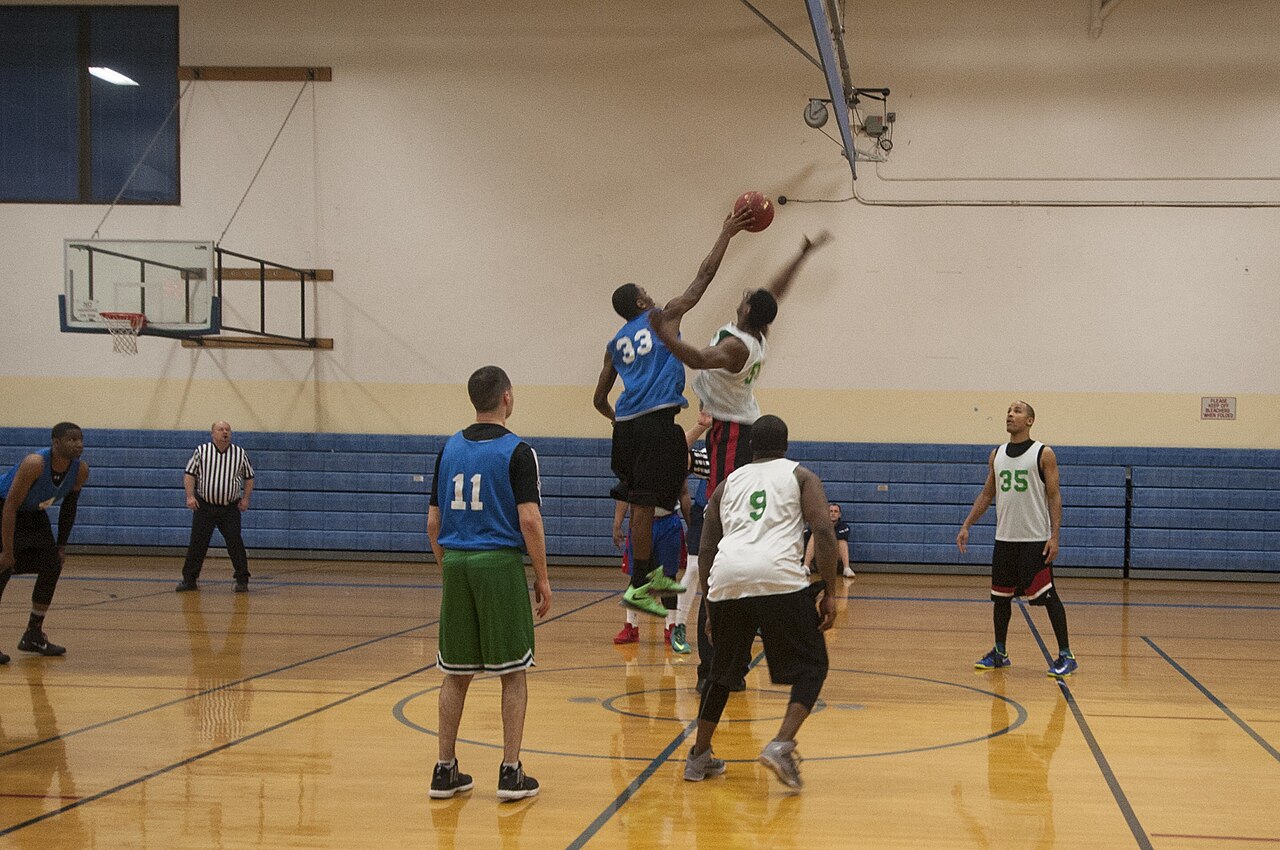
- A CFTC spokesperson confirmed letters to both ProphetX and Novig. According to Front Office Sports, Novig was told that micro contracts, such as who scores the first points in a basketball game, are susceptible to manipulation and should not be listed.
- ProphetX says it was asked to defer the listing pending further review, not to withdraw the contracts, and that it has sent the agency further analysis.
What the CFTC order says
ProphetX, a CFTC-registered designated contract market, filed two self-certifications that the Commission received on 15 October. One covered a single binary contract asking whether any NFL game in Week 7 of the 2026 season, played from Thursday 22 October to Monday 26 October, would end in a Scorigami. The other covered a series of identical contracts for later weeks and seasons. Each contract paid $1 if at least one game in the period ended with a final score never before recorded in the NFL, settled against the league's official game books. ProphetX's filing said the Week 7 contract would list no later than 22 October.
Self-certification lets an exchange list a new product without prior approval, but the exchange carries the burden of showing that the product complies with the law. The Commission can stay a listing while it decides whether a certification was false. That is the power it used here, under Regulation 40.2(c).
The order turns on the definition of a swap in the Commodity Exchange Act. An event contract qualifies only if the event is "associated with a potential financial, economic, or commercial consequence". ProphetX's filing argued that broadcasters, NFL clubs, sponsors, venues and insurers all have economic interests tied to NFL scoring. The Commission said the filing "does not specifically discuss" whether a historically unprecedented score in a given week corresponds to any such consequence, and described a Scorigami as "a sports trivia milestone".
"Given the available supporting evidence, including that ProphetX has not identified a potential financial, economic, or commercial consequence associated with a Scorigami, the Commission presumptively believes the certification is false," the order says.
The order makes no final ruling. It states that it does not decide whether any event contract on NFL scoring, or any Scorigami contract, could meet the swap definition, and it keeps open the options of lifting the stay or allowing the contracts with amended terms. ProphetX has until 18 November 2026 to file its written answer.
Novig's micro contracts
The second letter went to Novig, which operates through the designated contract market Ludlow Exchange, LLC. Front Office Sports, which first reported both letters, said the CFTC told Novig that self-certified micro contracts, such as those on who will score the first points in a basketball game, are susceptible to manipulation and should not be listed. No public order against Ludlow had been posted on the CFTC's website as of 24 October.
Ludlow's public filings include an NBA player prop contract, self-certified on 13 October, whose terms allow a statistic to "denote an ordered event (e.g., 'first player to score')". It is not confirmed whether the CFTC letter concerns that filing.
A CFTC spokesperson said: "Any derivatives contract offered by a CFTC-regulated exchange must be compliant with the Commodity Exchange Act." The statement given to Front Office Sports called the action a "rejection of 'micro trades'", while the version given to Legal Sports Report called it a "stay".
ProphetX told Front Office Sports that CFTC staff "requested that we voluntarily defer listing the Scorigami contracts pending further review, not that we withdraw them," and that it had complied and sent additional analysis. Novig did not respond to requests for comment from either outlet.
Micro bets and integrity concerns
Micro contracts settle on a single play or moment in a game, the kind of market that sports leagues say is easiest for one player to influence. Days before the letters, the NBA restricted the player props its partner sportsbooks may offer, including bets on who scores a game's first basket. Those rules apply to state-licensed sportsbooks, not prediction markets.
Front Office Sports also reported that senior CFTC officials have told companies including DraftKings and FanDuel that they risk similar action if they list micro contracts, and that some exchanges have complained because many state gambling regulators allow such bets.
The letters add to a busy month for prediction market oversight. State regulators are pressing their own case against sports event contracts: Ohio's Casino Control Commission has warned licensees to stop supporting them, and Utah and Ohio have taken action against market makers and suppliers. In New York, the State Gaming Commission has asked a court to enforce its subpoenas against Kalshi.
Cite This Article
Topics In This Story
Related Countries
Andrea Rivera explores the evolving world of iGaming through the companies trying new things and the markets taking shape around them. An editor at AskSpinner News, Andrea combines research with storytelling, bringing information and perspective to industry analysis without losing the story that makes it worth reading.
More From This Author