Arkansas sues Kalshi and Chumba Casino owner VGW, calling prediction markets and sweepstakes casinos illegal gambling
Arkansas Attorney General Tim Griffin filed two consumer-protection lawsuits in state court on November 4, 2026: one against prediction market operator Kalshi in Independence County and one against VGW, the company behind Chumba Casino, LuckyLand and Global Poker, in White County. Both complaints allege the companies offer unlicensed gambling to Arkansas residents, including 18- to 20-year-olds, in violation of the Arkansas Deceptive Trade Practices Act. The state seeks injunctions, restitution, civil penalties and, in Kalshi's case, unpaid taxes.
 4 Min Read
Overview
- State of Arkansas v. KalshiEX LLC and Kalshi Inc. (Case No. 32CV-26-717) was filed in the Circuit Court of Independence County on November 4, 2026.
- State of Arkansas v. VGW Holdings U.S. Inc. and nine affiliates (Case No. 73CV-26-1743) was filed the same day in the Circuit Court of White County.
- Each complaint pleads three counts under the Arkansas Deceptive Trade Practices Act plus unjust enrichment; the act allows civil penalties of up to $10,000 per violation.
- Both complaints allege the companies let users as young as 18 play, while Arkansas limits regulated casino and sports wagering to people 21 and older.
- Outside firms DiCello Levitt (Kalshi case) and Baron & Budd and Bursor & Fisher (VGW case) are listed as co-counsel for the state, with pro hac vice applications pending.
Arkansas Attorney General Tim Griffin sued prediction market Kalshi and sweepstakes casino operator VGW in two state courts on November 4, 2026, alleging that both companies run unlicensed gambling businesses in the state.
The Kalshi complaint, State of Arkansas ex rel. Griffin v. KalshiEX LLC and Kalshi Inc. (Case No. 32CV-26-717), was file-stamped by the Independence County circuit clerk at 1:31 p.m. on November 4. The VGW complaint (Case No. 73CV-26-1743) was filed the same day in the Circuit Court of White County against VGW Holdings U.S. Inc., VGW U.S. Inc., VGW Luckyland, Inc., VGW Holdings Pty Ltd., VGW Ltd., VGW Malta Ltd, VGW Malta Holding Limited, VGW Games Limited, VGW GP Limited and Beels Limited.
The Kalshi lawsuit
The 57-page complaint says Kalshi's sports, election and entertainment contracts are wagers under Arkansas law. "Arkansas law is concerned with substance, not semantics, and nowhere is the disconnect clearer than with sports betting," it states, adding that for most of its offerings "Kalshi is not a risk management tool; it is a pocket-sized bookie."
The state alleges that Kalshi misrepresented its products as legal, offered them to users aged 18 to 20 although Arkansas sets a minimum age of 21, and failed to disclose the risk of losses and the extent to which its markets are dominated by professional traders. It also alleges, "upon information and belief," that thousands of Arkansas residents have Kalshi accounts and that the company has never paid sales or use taxes in the state.
Arkansas asks for a declaration that Kalshi violated the Arkansas Deceptive Trade Practices Act, an injunction, restitution, actual and compensatory damages, the maximum civil penalties, unpaid taxes, and fees. It demands a jury trial. The complaint is signed by Senior Assistant Attorney General Brittany Edwards and two other state lawyers, with Adam J. Levitt, Daniel R. Ferri and Joseph Nelson of DiCello Levitt listed as co-counsel.
In October 2025, Griffin issued a formal attorney general opinion that prediction markets operating without a state license violate Arkansas gambling law. Kalshi, which is registered with the US Commodity Futures Trading Commission as a designated contract market, is already fighting state enforcement in several courts; AskSpinner's prediction market litigation tracker lists those cases, including New York's petition against Kalshi.
The VGW lawsuit
The second complaint targets Chumba Casino, LuckyLand Casino, LuckyLand Slots and Global Poker. It says VGW's model rests on "an artificial distinction between two virtual currencies": Gold Coins, which cannot be redeemed, and Sweeps Coins, which consumers receive as a bonus when they buy Gold Coins and can redeem for cash. According to the complaint, a $20 purchase can come with 20.50 Sweeps Coins, each redeemable for one US dollar, and Chumba Casino requires 100 redeemable Sweeps Coins before a cash redemption, against 50 on other VGW sites. A footnote says LuckyLand Slots stopped operating in the United States in September 2026.
The state seeks a permanent injunction, restitution and disgorgement, civil penalties, costs and a finding that the defendants are jointly and severally liable, as well as a writ of prejudgment attachment of the sweepstakes casinos. Lawyers from Baron & Budd and Bursor & Fisher are listed as co-counsel.
VGW has faced similar actions elsewhere. New York Attorney General Letitia James announced an $8 million settlement with VGW on September 9, 2026, and Kentucky sued the company in June.
The claims in both complaints are allegations and have not been tested in court.
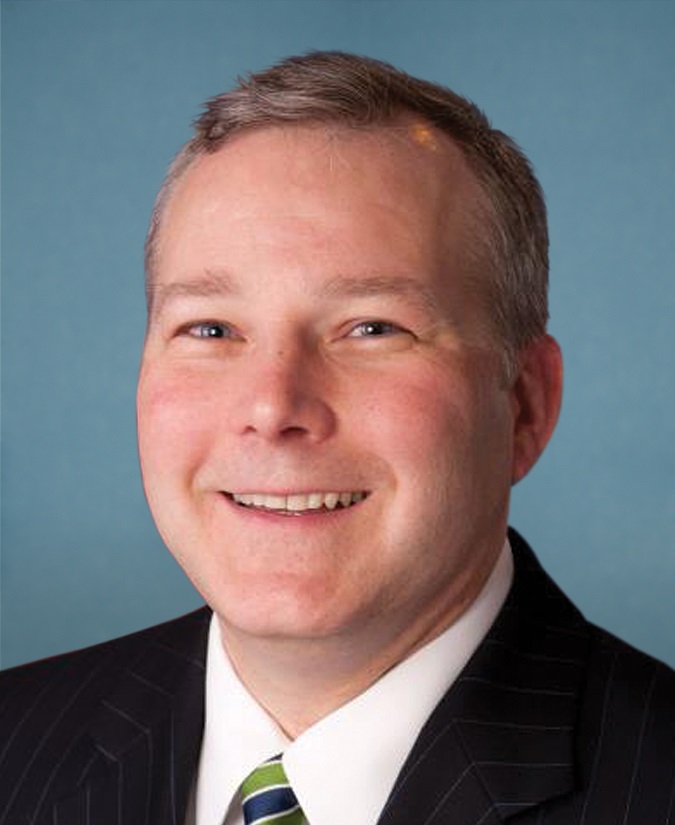
Photo: United States Congress / Wikimedia Commons, public domain
If you hold rights to images used in this article and have concerns, please contact us at support@askspinner.com.
Cite This Article
Topics In This Story
Related Countries

Teresa Domingo is an editor at AskSpinner News, turning fresh iGaming insights into engaging, accessible content. Teresa’s writing connects the latest developments with the stories behind them, aiming to give busy industry readers both a timely update and a new idea worth following.
More From This Author