Brazil betting ban: STF's Fux halts every lower-court challenge to MP 1.394, including 13 cases the PGR listed
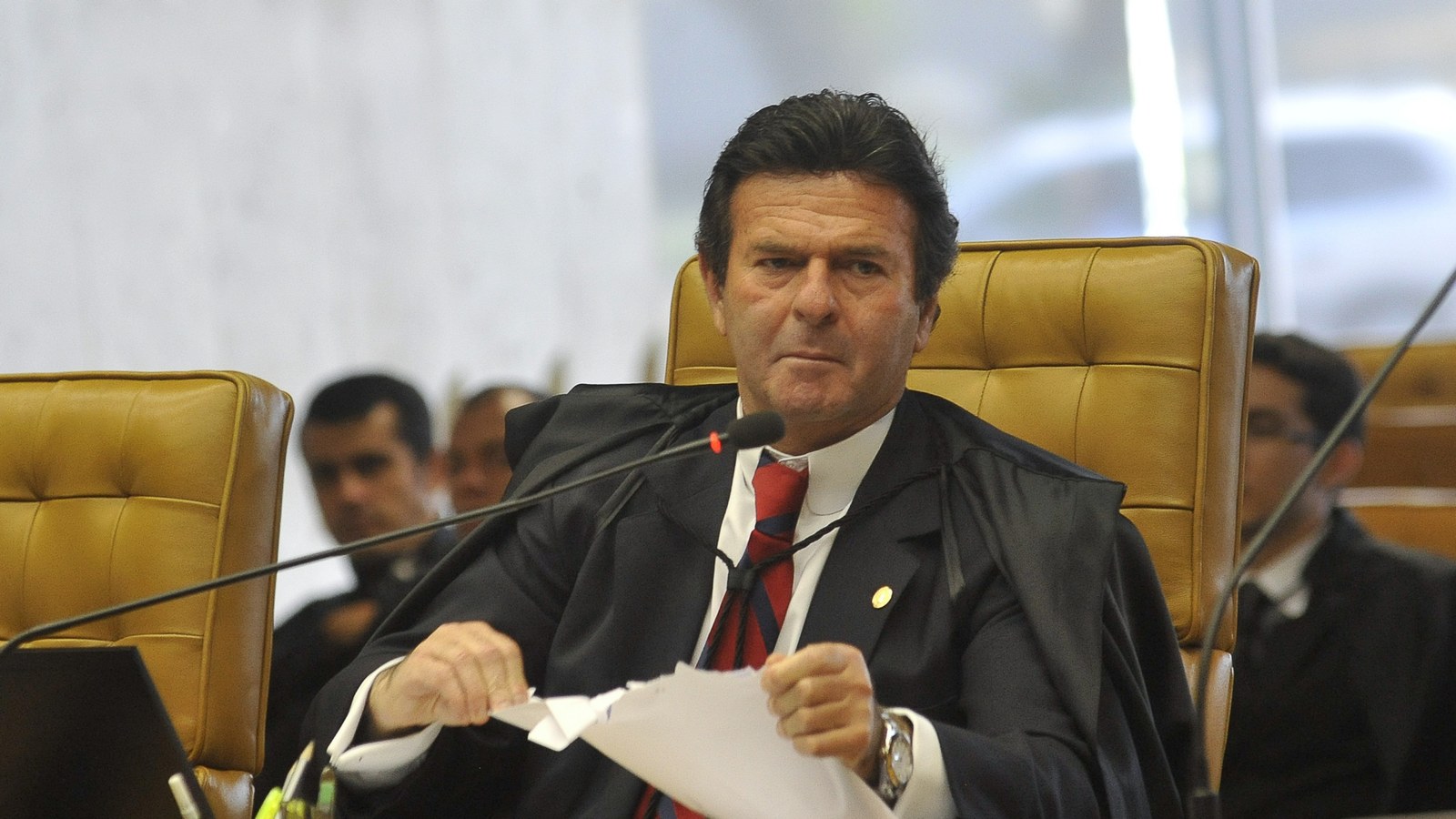
Brazilian Supreme Court (STF) Justice Luiz Fux on November 8, 2026 ordered the suspension, nationwide, of every lower-court case that disputes the constitutionality of Provisional Measure (MP) 1.394/2026, the decree that banned fixed-odds betting. The order, issued in ADI 8027 at the request of Prosecutor-General Paulo Gonet, runs until the STF rules on the four direct challenges to the measure and still needs the full court's endorsement.
 3 Min Read
Overview
- Decision: injunction signed November 8, 2026 in ADI 8027 (filed by ANJL), published by the STF on November 9.
- Scope: all cases in the ordinary courts that dispute whether MP 1.394/2026 is constitutional, until the STF rules on ADIs 8024, 8027, 8028 and 8035.
- Trigger: a Prosecutor-General petition of November 6 (eDoc 472) that listed 13 suits, all in federal courts in the TRF3 region.
- Legal basis: Article 21 of Law 9,868/1999, Article 5 §1 of Law 9,882/1999 and Article 21, IV and V, of the STF's internal rules.
- Next step: the order is already in force but must be referred to the STF plenary; no plenary date has been set.
Operators trying to get back online through Brazil's lower courts have lost that route for now. In a decision signed on November 8, 2026 in direct action of unconstitutionality (ADI) 8027, Justice Luiz Fux of the Supreme Federal Court (STF) suspended "ALL" cases in the ordinary courts that dispute the validity of Provisional Measure 1.394/2026. The STF announced the order on November 9, saying it is already in force and will be put to the plenary for endorsement.
The cases on the list
The order grants a petition filed on November 6 by Prosecutor-General Paulo Gonet (eDoc 472 in the docket). The petition cites two lower-court rulings that let operators keep taking bets: an October 8 injunction from the federal court in São Paulo (case 5030862-66.2026.4.03.6100) that allowed Stake Brazil to operate until October 25, and a November 3 ruling in interlocutory appeal 5034200-15.2026.4.03.0000 that lifted the ban for CDA Gaming's Casa de Apostas, Betsul and Jogo Online. AskSpinner reported when the TRF3 president suspended that ruling.
The decision also lists 13 pending suits on the MP. All carry the TRF3 regional code (4.03): 11 were filed in the São Paulo federal courts (suffix 6100), one under suffix 6144 and one under suffix 6110. The suspension is not limited to these cases. It covers every case in the ordinary courts that disputes whether the MP is constitutional.
Why Fux acted alone
Fux based the single-justice order on Article 21 of Law 9,868/1999, which allows the STF, by an absolute majority, to order lower courts to pause cases while it decides on a law's validity in a declaratory action. He also relied on Article 5 §1 of Law 9,882/1999, which allows a rapporteur to grant urgent injunctions subject to plenary approval, and on Article 21, IV and V, of the court's internal rules. He cited earlier nationwide suspensions as precedent, including ADI 7774 (Mato Grosso's soy moratorium law, 2025) and ADI 7811 (Santa Catarina, 2025).
On the merits, Fux wrote that conflicting rulings risked "potential release of an activity that is recognisably harmful and of high social risk." He referred to his remarks at the November 3 public hearing and to his vote in RE 966.177 at the August 6, 2026 plenary session.
What it does not decide
The order does not rule on whether MP 1.394 is constitutional. That question stays with ADIs 8024, 8027, 8028 and 8035, for which no judgment date has been set. ADI 8027 was filed by the Associação Nacional de Jogos e Loterias (ANJL). The President of the Republic and the National Congress are the respondents, both represented by the Attorney General's Office (AGU). AskSpinner tracks the case on its MP 1.394 topic page.
Cite This Article
Topics In This Story
Related Countries

Daniel Tan is an editor at AskSpinner News who believes industry writing can be informed, approachable and engaging. Daniel turns complex subjects into accessible articles and reports, giving readers a welcoming way into unfamiliar topics and room to build their understanding as they read. AskSpinner News desk standards, corrections policy and contact: AskSpinner News desk (https://askspinner.com/news/askspinner-news-desk).
More From This AuthorRelated Topics

Brazil Betting Ban Under Provisional Measure 1.394
How Provisional Measure 1.394 ended Brazil's federal fixed-odds betting licences, and the responses from operators, the Supreme Court and the market as the December compliance deadline approaches.