How casino influencers get paid — and what players actually fund
When Trainwreckstv says he received a $25 million raise, the clip is less a payroll disclosure than a window into crypto-casino customer acquisition. This explainer maps how creator deals are structured, why Kick became the preferred stage, how UK, US and Philippine rules treat influencer ads, and what success and failure cases show about dual-sided leverage — without treating big-win streams as proof that games are fair.
 12 Min Read
Overview
- Trainwreckstv’s reported raise is a window into crypto-casino customer acquisition, not a verified payroll disclosure.
- Creator deals mix fixed fees, volume/NGR share, play fills, promo codes and occasional equity — outsiders rarely see the full schedule.
- Twitch’s 2022 ban on unlicensed slots/roulette/dice pushed casino streams to Kick; talent economics followed.
- UK CAP/ASA, US FTC disclosure rules and PAGCOR–ASC screening all treat influencer gambling ads as regulated marketing.
- Big-win clips and big pay talk explain large cheques; they do not prove game fairness or that copying stakes is sound personal finance.
Lead: a raise claim that reframes the beat
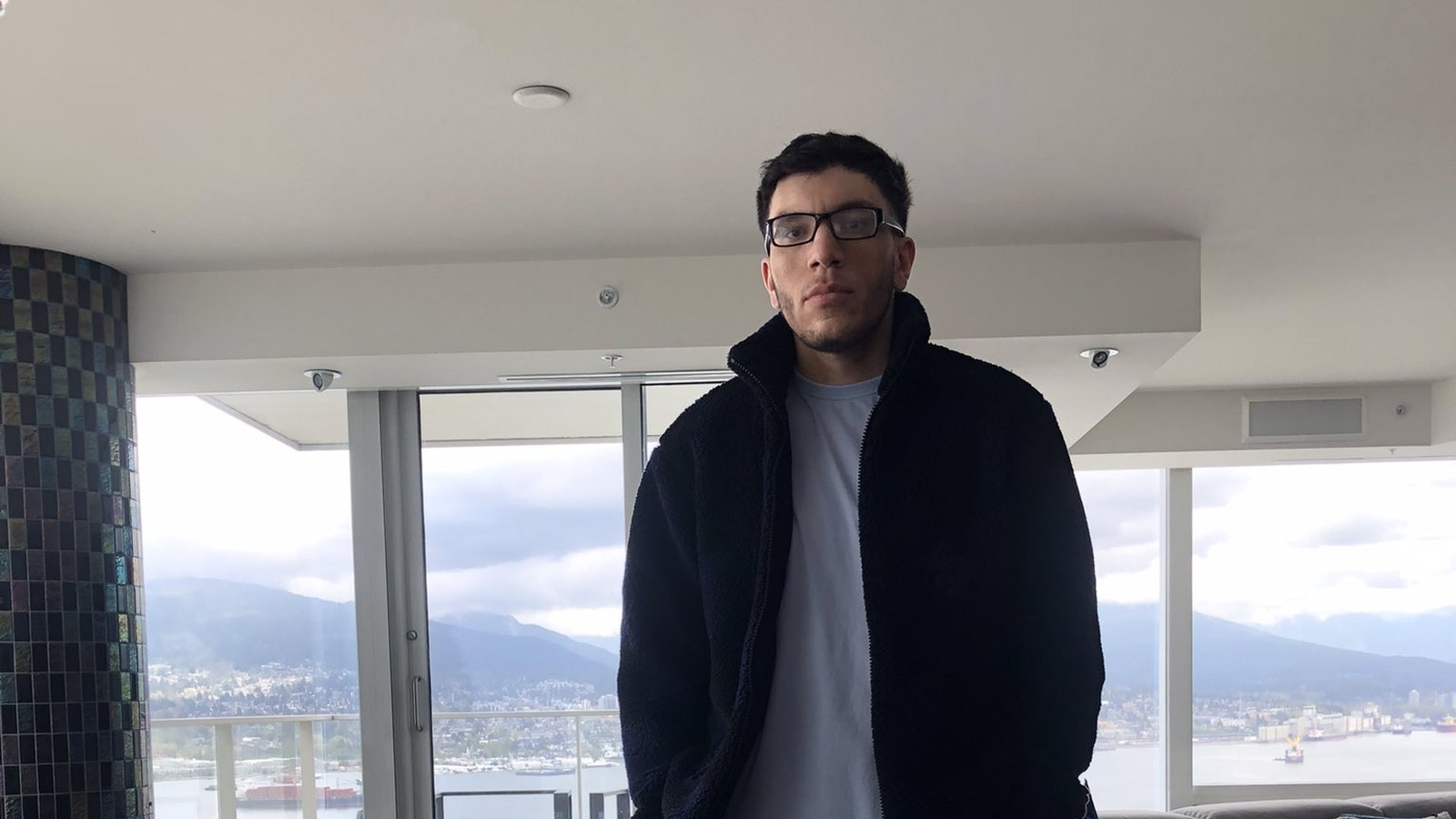
In a circulated Kick clip reviewed for a companion AskSpinner report, Tyler “Trainwreckstv” Niknam says he received a “25 mil raise” and that he had wagered $2.9 billion in 30 hours that month. Separately, on 3 November 2026 he wrote on his own X account that “the 50M a month paycheck is hard to justify not taking.” Those are on-camera and on-platform self-claims. They are not a disclosed contract, a payment ledger or an audited earnings statement. AskSpinner’s companion piece on the raise claim sets out what is verified and what is not; this article zooms out to the market structure those numbers sit inside.
The business point does not depend on treating $75 million a month as fact. Crypto casinos and other high-visibility operators have spent years buying hours of livestream attention, clip redistribution and brand familiarity. Influencers are not a side channel. For several offshore brands they have become a primary acquisition and retention surface — especially after mainstream platforms tightened rules on unlicensed casino streams.
Where the money comes from
Public self-reports and industry explainers describe several building blocks. Individual deals mix them differently, and outsiders rarely see the full schedule.
Fixed guarantee / retainer. A contracted fee for streaming hours, brand exclusivity or appearance commitments. Large monthly figures cited on stream usually belong in this bucket — if they are real cash, not restricted play credit.
Share of wagered volume or net gaming revenue. Affiliate-style or “rake” style compensation tied to referred players’ stakes or the operator’s hold. Traditional iGaming affiliates still use CPA (cost per acquisition) and RevShare; creator deals often wrap similar economics into a talent contract.
Loss rebate / play balance (“fills”). Credits or reimbursements so the streamer can keep playing on camera. A fill is not the same as withdrawable salary. Viewers who copy the stake sizes without the same balance arrangement are not in the same risk position.
Promo codes and tracked links. Visible codes make the acquisition funnel measurable. Some high-profile streamers publicly refuse codes; others lean on them. Code-driven revenue is often easier to model than soft brand awareness.
Equity, tokens or platform upside. Less common in disclosed form, but relevant where a creator also advises or co-promotes a streaming platform that shares investors or founders with a casino brand.
Labeling rule for readers: on-camera pay claims are evidence that the creator said a number. Contracts, bank wires and operator confirmations are evidence of a different kind. Secondary media that repeat a streamer’s arithmetic without a primary document should be treated as reporting of a claim, not as verification.
Where the money goes — and what stream volume is not
Livestream wagering turnover is the sum of stakes placed. It is not deposits, not player loss and not operator profit. The same funds can recirculate through repeated bets. Theoretical expected player loss in a simplified fixed-edge model is turnover × house edge, but game mix, bonuses and short-run variance break that into a rough illustration at best.
Operators still have to fund:
- Creator compensation and production support
- Player bonuses, rakeback and VIP rebates
- Payment, licensing, compliance and chargebacks
- Platform media costs (if any) beyond organic reach
Traditional affiliate CPA/RevShare pays for referred customers under published or negotiated schedules. Influencer packages often buy distribution itself: the live show, the highlight reel, the chat culture and the sense that a brand is “where the action is.” That can be more expensive per hour and harder to attribute than a tracked affiliate click — and still commercially rational if the brand believes the creator compresses customer acquisition cost or raises lifetime value.
A creator’s own wagering does not answer the operator’s ROI questions. Nor does a big win on stream prove anything about the math facing an ordinary account.
How platforms pick talent — and why crypto casinos lean Kick
Twitch. In September–October 2022, Twitch updated policy to ban streaming of slots, roulette or dice games on sites not licensed in the United States or other jurisdictions it judged to offer sufficient consumer protection. Stake and several other crypto casinos were swept up. Sports betting, fantasy and poker carve-outs remained. The Verge and other outlets contemporaneously reported the change; it forced a migration of casino-stream inventory.
Kick. High-profile gambling streamers, including Trainwreckstv, moved casino content to Kick. Reporting at the time linked Kick’s early financing to Stake co-founder Eddie Craven / Easygo, while stating that Stake itself was not an investor. Kick’s public pitch to creators — including a 95% subscription split cited in launch coverage — competed with Twitch economics. For operators already blocked on Twitch, Kick offered a stage that still allowed casino streams under its own terms.
YouTube, Instagram, TikTok. Short-form and VODs extend clip life and celebrity crossover. They also sit closer to advertising regulators’ day-to-day remit for labeled ads, age-appeal tests and jurisdiction targeting. UK ASA cases (below) show how sports and lifestyle creators can trigger “strong appeal to under-18s” findings even when the operator argues the content is adult-oriented.
Talent selection for crypto casinos therefore optimises for: hours available for high-stakes play; willingness to broadcast casino UI; audience that will migrate platforms; and, for some brands, tolerance of offshore licensing footprints that mainstream US-facing platforms refuse.
How regulators see influencer gambling ads
Rules differ by market. Liability often sits with the licensed operator first, then extends to agencies and creators as publishers or third parties.
United Kingdom — CAP/ASA and the Gambling Commission. CAP Code Section 16 requires social responsibility in gambling marketing, restricts content with strong appeal to under-18s, and covers third parties acting for advertisers. CAP’s affiliate guidance requires ads to be obviously identifiable (for example with a prominent “Ad” label when context is unclear). The Gambling Commission’s social-responsibility provisions make licensees responsible for contracted third parties in activities related to the licensed business. In February 2025 the Commission published a consumer notice that the Stake.uk.com white-label site would close by 11 March 2025 after an investigation into a widely viewed social-media video displaying Stake branding — a reminder that brand exposure on social platforms can become a licensing issue even when the video is not a classic “streamer slots” broadcast.
United States — disclosure and state gambling law. The FTC’s 2017 CSGO Lotto matter was its first case against individual social-media influencers over undisclosed ownership and paid promotions of an online gambling-adjacent site; owners Trevor “TmarTn” Martin and Thomas “Syndicate” Cassell settled. Separately, state attorneys general continue to treat deceptive influencer marketing and unlicensed product promotion as consumer-protection problems (including, in 2025–2026 coverage, New York’s investigation into prediction-market influencer advertising). State-by-state gambling advertising rules remain fragmented; a creator deal that is lawful in one state can be unlawful marketing in another.
Philippines — PAGCOR and ASC. PAGCOR’s responsible-gaming advertising circulars prohibit ads directed at under-21s, implying skill controls outcomes, presenting gambling as a way to make money, or misleading on odds. In July 2025 PAGCOR and the Ad Standards Council signed an MOU making gambling a “must-screen” advertising category. ASC Circular 2025-010 requires PAGCOR advertising approval before ASC clearance and mandates the tagline “Gambling can be addictive. Know when to stop.” Creator and influencer industry groups have also warned members against promoting illegal online gambling.
Operator vs creator. In licensed markets, operators usually carry the primary compliance duty for campaigns they commission. Creators can still face advertising rulings, platform bans, civil claims or, where they promote illegal products, criminal exposure. “I just streamed” is not a safe harbour when the stream is paid marketing.
Risks that keep recurring
Documented patterns include:
- Exaggerated wins / financial-security claims — presenting tipster services or casino play as a route to cars, income or security.
- Minors and strong appeal — featuring personalities with large under-18 followings.
- Unlabeled ads — stories or posts that function as marketing without \#ad / “Ad” identifiers.
- Contract fights and platform bans — deals that collapse when a host platform changes policy or parties dispute terms.
- Licence-geography mismatch — promoting brands whose licence does not cover the audience’s location.
Case section: success, failure and dual-sided leverage
Success-side partnerships (with the caveats they deserve)
Trainwreckstv × Stake (long-running sponsorship narrative). From early public pay talk (\~$1 million a month in 2022 coverage) through the October 2022 claim of $360 million over 16 months (Stake did not verify; contemporary outlets noted the total might include play funds) to 2026 on-camera raise talk, the relationship illustrates how a single creator can become a durable acquisition channel for an offshore casino brand — and how Kick’s launch after Twitch’s ban preserved that channel. Treat the dollar figures as self-reported unless a contract party confirms them. What is structurally “successful” is the continuity: years of brand presence, clip circulation and bargaining power on both sides.
Migration cohorts after the Twitch ban (Roshtein, ClassyBeef and peers). Multiple high-volume casino streamers moved inventory to Kick and continued monetising audiences that Twitch would no longer host for unlicensed slots/roulette/dice sites. For operators, that was distribution continuity. For creators, it was income continuity. Success here means the partnership survived a platform shock — not that viewers profited.
xQc’s Kick platform deal (ecosystem adjacent). Dexerto interviews quoted xQc saying a nine-figure Kick contract did not obligate Stake gambling streams. That distinction matters: platform talent deals and casino sponsorships are related markets but not the same contract. Where GamblingNews and others later reported per-stream Stake figures attributed to xQc, those remain creator-side claims unless the operator confirms.
Failure-side cases with primary documents
ASA — Sam Gowland / Thebettingman (2020). Instagram Stories promoting a betting-tipster VIP group were upheld on three grounds: not obviously identifiable as marketing (no clear \#ad), irresponsible suggestion of financial security (“best second source of income… hence the new car”), and featuring a person under 25 to promote a gambling-facilitating service. Primary: ASA Ruling A20-1066758.
ASA — BetUK / Adebayo Akinfenwa (ruling 13 March 2024). A radio ad featuring the retired footballer as brand ambassador was upheld because his absolute under-18 social followings placed him in “strong appeal” territory under post-2022 rules — even though the script promoted responsible-gambling tools. Primary: ASA Ruling A23-1214325.
ASA — Kwiff / Sir Lewis Hamilton (ruling 22 October 2025). An X post with Hamilton’s image ahead of the British Grand Prix was held to be gambling marketing with strong appeal to under-18s, based on profile, merchandise, media appearances and estimated UK under-18 Instagram followers. Primary: ASA Ruling A24-1252292.
FTC — CSGO Lotto (2017). First FTC complaint against individual influencers for promoting an online site without disclosing ownership and for paying other influencers without ensuring disclosure. Settlement required clear disclosures. Primary: FTC Matter 162-3184 / September 2017 press materials and consent order.
UK Gambling Commission — Stake.uk.com exit (12 February 2025). Consumer notice: white-label Stake.uk.com to shut by 11 March 2025 after investigation into a viral social video with Stake branding; Commission also warned football clubs about promoting unlicensed sites. Primary: Gambling Commission consumer information notice.
Dual-sided commentary
The same contract is leverage for both parties.
- When it works: the operator buys compressed attention and acquisition; the creator converts audience into fees, fills and status; clips extend the campaign beyond the live window.
- When it fails: the operator inherits advertising rulings, licence friction and reputational damage; the creator inherits demonetisation, bans, civil exposure and a chat that remembers the losses more than the salary.
- For readers: a big-win montage is marketing inventory, not a product warranty. House edge, licence jurisdiction and disclosure status do not improve because a famous account hit a bonus round on camera.
AskSpinner’s related coverage of celebrity table hosts and Philippine endorsers shows the same dual edge in non-streamer formats: stars amplify brands until regulators draw the age-appeal or illegal-promotion line.
What readers can actually verify
| Checkable | Usually not checkable |
|---|---|
| Exact words on a public stream, clip or X post | Private fee schedules, loss-rebate clauses, exclusivity penalties |
| Platform policies (Twitch, Kick, YouTube) | Soft promises made off-stream |
| Licence certificates and regulator notices | Full beneficial ownership behind every brand alias |
| ASA/FTC/court/ASC primary rulings | Whether a particular spin was “lucky” or expected |
| On-chain deposits/withdrawals if wallets are public and correctly attributed | Off-chain fiat rails and private OTC fills |
| Presence/absence of Ad labels and age warnings | Audience age mix without platform analytics |
If a claim cannot be mapped to one of the left-hand cells, treat it as unverified.
Close
The casino influencer economy is a customer-acquisition and media-buying system. It can be lucrative, fragile and heavily policed — sometimes all three in one campaign. Spectacular pay talk and spectacular win clips explain why operators write large cheques. They do not prove that the underlying games are fair, that a licence covers your country, or that copying a streamer’s stakes is a rational personal finance plan.
For the specific $25 million raise claim and the $2.9 billion wagering figure, see AskSpinner’s companion verification piece: https://askspinner.com/news/trainwreck-reported-stake-raise-casino-streamer-economics
If you or someone you know is struggling with gambling, free confidential support is available from Gambling Therapy.
Cover photo: Kovicpeter / Wikimedia Commons, CC BY-SA 4.0 (Stake wordmark; trademark of Stake) — AskSpinner editorial composite. Source. Editorial identification only; not a partnership or endorsement.
If you hold rights to images used in this article and have concerns, please contact us at support@askspinner.com.
Cite This Article
Topics In This Story
Andrea Rivera explores the evolving world of iGaming through the companies trying new things and the markets taking shape around them. An editor at AskSpinner News, Andrea combines research with storytelling, bringing information and perspective to industry analysis without losing the story that makes it worth reading.
More From This Author