Philippine gambling’s celebrity endorsers: the faces, strategy and rules
Philippine gambling brands have recruited television hosts, film stars, basketball players and an international actor. Their documented partnerships show how fame is used to build familiarity and trust—but a licensed business still needs compliant advertising, and a proposed celebrity ban is not the same as an enacted law.
 14 Min Read

Overview
- BingoPlus, ArenaPlus, GameZone and Casino Plus have documented celebrity partnerships; an integrated-resort campaign serves a different purpose from an online betting promotion.
- The records below establish particular relationships on particular dates, not a complete list of contracts still in force.
- PAGCOR approval and Ad Standards Council screening are separate requirements; brand registration is not blanket permission for every advertisement.
- Rules already restrict youth-directed messaging, financial-success claims and gambling imagery. A nationwide advertising and endorsement ban has also been proposed in legislation.
- A celebrity’s reputation does not establish that a gambling product is safe, profitable or suitable for a particular person.
Familiar faces in a regulated—but contested—market
Philippine gambling brands are buying more than attention when they hire a familiar television host, a film star or a basketball player. They are buying an association: a product that might otherwise seem remote or risky is placed beside a person audiences already recognize.
That commercial logic runs through the documented partnerships below. It also explains why the debate is no longer limited to whether a gambling platform has a licence. Regulators must consider the message, the audience and the channel, including promotions presented as entertainment or charity. This Philippine survey follows AskSpinner’s global examination of celebrity gambling advertising.
PAGCOR’s October 29, 2026 register of accredited gaming system administrators and registered brands identifies BingoPlus, Arena Plus and Gamezone within the domestic framework. Casino Plus and Solaire Online appear separately in the regulator’s December 4, 2025 list of registered brands of licensed casinos. These are different regulatory records, not interchangeable celebrity-approval lists. AskSpinner’s PAGCOR licensing guide explains the underlying venue-operator and platform structure.
The survey distinguishes an appointed ambassador from an event performer, a resort campaign from a particular gambling product, and a historical announcement from proof of a contract continuing today.
BingoPlus: television familiarity, regional connection and fan communities
Luis Manzano — BingoPlus; later also ArenaPlus
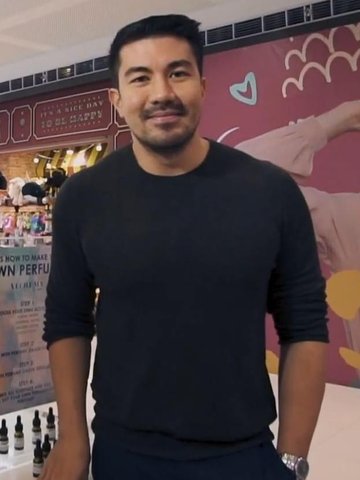
Luis Manzano (2019 file photo; not a campaign photograph). Photo: Bulgar TV / Wikimedia Commons, CC BY 3.0 (existing screenshot crop). Original photograph.jpg); licence.
BingoPlus introduced the television host as its first celebrity endorser in May 2022, according to the launch announcement carried by Manila Standard. DigiPlus’s September 2022 announcement for its next ambassador also identified him as an existing member of the roster.
The relationship later extended across the group: DigiPlus’s April 6, 2026 corporate announcement named him ArenaPlus’s latest brand ambassador, alongside a basketball bracket campaign covered by BusinessMirror. A familiar host can connect a live entertainment format with an online product; the record does not disclose his fee or the campaign’s incremental revenue.
Maine Mendoza — BingoPlus

Maine Mendoza (2018 file photo; not a campaign photograph). Photo: Jojit fb / Wikimedia Commons, CC BY-SA 4.0. Original photograph; licence.
DigiPlus announced Mendoza as BingoPlus’s first female celebrity endorser on September 27, 2022. The company explicitly cited her charisma and appeal to fans. By June 2026, brand campaign material carried by BusinessMirror still described her as an ambassador, in a promotion organized around competing celebrity-led camps.
That is a concrete example of a brand using fan identification as part of participation mechanics, rather than simply placing a famous face beside a logo.
Piolo Pascual — BingoPlus
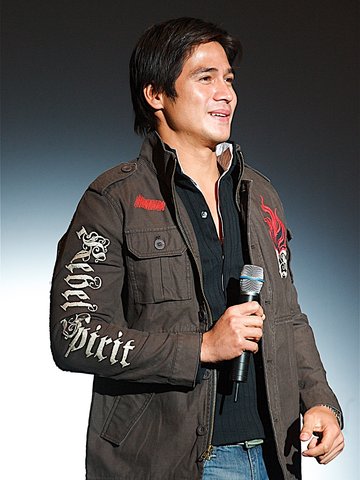
Piolo Pascual (2008 file photo; not a campaign photograph). Photo: Gerry Edra / Wikimedia Commons, CC BY 3.0. Original photograph; licence.
Pascual was unveiled as a BingoPlus endorser at an October 7, 2023 event, as recorded in the company launch coverage. DigiPlus continued to identify him as an ambassador in its account of the March 2025 anniversary celebration.
The evidence establishes an ambassador relationship, not merely a paid stage appearance. It does not establish the duration of his contract after that later appearance.
Kim Chiu — BingoPlus

Kim Chiu (2016 file photo; not a campaign photograph). Photo: Enrique Guadiz / Wikimedia Commons, CC BY-SA 2.0. Original photograph; licence.
Chiu was introduced at BingoPlus’s July 26–27, 2024 Cebu event. SunStar’s published brand release linked the appointment to a celebration in her home region. The June 2026 campaign also explicitly described her and Mendoza as ambassadors.
Both women appeared in the group’s responsible-gaming communication as well. Philstar’s January 2025 report recorded their participation in the “Pusta de Peligro” campaign. The same celebrity can therefore front both product promotion and harm-awareness messaging. Whether those messages reduce harm requires evidence beyond an ambassador’s involvement.
ArenaPlus and GameZone: sporting identity becomes an acquisition strategy
Jordan Clarkson — ArenaPlus
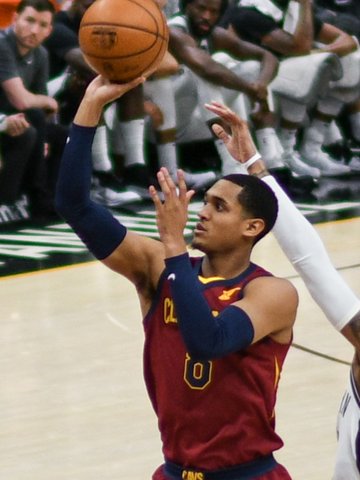
Jordan Clarkson (2018 file photo; not a campaign photograph). Photo: Erik Drost / Wikimedia Commons, CC BY 2.0 (existing crop). Original photograph; licence.
ArenaPlus announced Clarkson as an official endorser in August 2023, ahead of the basketball World Cup hosted in part by the Philippines. The published announcement tied the deal directly to basketball audiences and his national-team participation.
The marketing association is with elite sporting performance and fandom. It should not be confused with evidence that sporting expertise changes the odds of a wager.
Austin Reaves — ArenaPlus
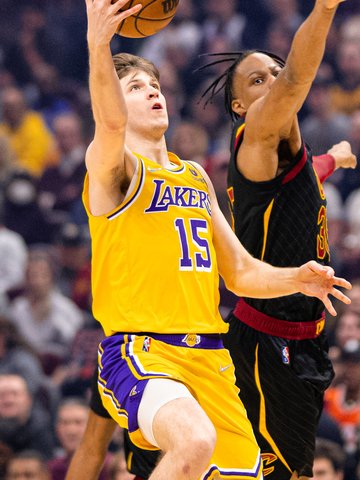
Austin Reaves (2022 file photo; not a campaign photograph). Photo: Erik Drost / Wikimedia Commons, CC BY 2.0 (existing crop). Original photograph.jpg); licence.
DigiPlus’s 2024 integrated report says ArenaPlus welcomed Reaves as a brand ambassador, joining Clarkson. Campaign coverage later that year described a fan activation built around him.
This partnership illustrates how an international basketball audience can be localized for a Philippine sportsbook. The published records reviewed here do not isolate how many customers either athlete brought to the platform.
Manny Pacquiao — ArenaPlus and GameZone

Manny Pacquiao (2010 file photo; not a campaign photograph). Photo: Mike Gonzalez (TheCoffee) / Wikimedia Commons, CC BY-SA 3.0 (existing crop). Original photograph.jpg); licence.
A March 25, 2026 DigiPlus launch went beyond a conventional endorsement. The company named Pacquiao ambassador for ArenaPlus and GameZone, announced a suite of nine themed games and integrated a payments service associated with him across the group. Asia Gaming Brief’s account documents those distinct elements.
This is not evidence that he personally endorses every DigiPlus brand in the same capacity. It is evidence of a broader commercial relationship connecting likeness rights, brand representation and payments. For consumers, that combination can make the celebrity association visible at more than one point in a gambling journey.
Casino Plus: screen recognition, social reach and an actual compliance penalty
Julia Barretto — Casino Plus

Julia Barretto (2024 file photo; not a campaign photograph). Photo: Valenzuela400 / Wikimedia Commons, CC BY-SA 4.0. Original photograph; licence.
Casino Plus named Barretto its first Philippine brand ambassador in April 2024. The announcement published by SunStar connected her specifically with its Color Game offering.
This was a product-linked appointment, not simply a resort appearance. The 2024 announcement proves that relationship at launch; it is not, by itself, a current contract register.
Alden Richards — Casino Plus

Alden Richards (2023 file photo; not a campaign photograph). Photo: Valenzuela400 / Wikimedia Commons, CC BY-SA 4.0. Original photograph; licence.
An October 9, 2026 company feature in The Manila Times described Richards expanding a partnership that began in 2024, when he became the platform’s first male brand ambassador.
The feature emphasized responsible entertainment and a social-impact initiative with his foundation. Those are the company’s and endorser’s descriptions of the partnership. Charitable activity does not establish that gambling is harmless, and it should not replace scrutiny of the commercial promotion carried alongside it.
Ivana Alawi — Casino Plus

Ivana Alawi (2026 file photo; not a campaign photograph). Photo: Patrick Cristiano / Wikimedia Commons, CC BY-SA 4.0. Original photograph; licence.
Casino Plus confirmed Alawi had joined its roster in a statement quoted by The Philippine Star on May 26, 2026.
Her subsequent phone giveaway supplied a sharper compliance test. Rappler reported on August 24, 2026 that PAGCOR’s chair told a House budget hearing the agency had fined a gambling company PHP1 million for an unauthorized promotion sponsoring her giveaway of 100 phones. The hearing account did not identify the fined company by name; Rappler separately noted Alawi’s Casino Plus ambassadorship.
The distinction matters to the allegation: the record supports a penalty against an unnamed gambling company over the promotion, not a finding that Alawi was personally fined or that Casino Plus was formally named in the hearing as the penalized entity. It shows why an operator’s regulated status cannot substitute for clearance of a specific campaign.
A historical online appointment and a resort-wide campaign are different cases
Vic Sotto — PlayTime, a documented 2024–25 relationship

Vic Sotto (2024 file photo; not a campaign photograph). Photo: Valenzuela400 / Wikimedia Commons, CC BY-SA 4.0. Original photograph; licence.
PlayTime, then identified as a platform of Playmate Leisure Solutions Corporation, announced Sotto as its official endorser in July 2024. A March 2025 company release again called him its brand ambassador.
The naming has since changed in the regulatory record: PAGCOR’s October 29, 2026 list identifies Playmate’s main brand as PT GAMING, not PlayTime. The historical endorsement should not be read as confirmation that Sotto has a current PT GAMING contract or that any website using the old name is authorized.
Hyun Bin — Solaire Resort, not proof of an online-casino endorsement
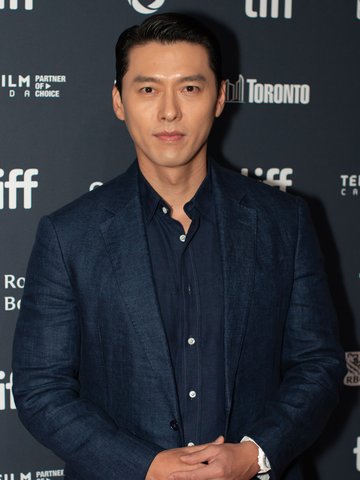
Hyun Bin (2024 file photo; not a campaign photograph). Photo: John Sears / WikiPortraits / Wikimedia Commons, CC BY-SA 4.0 (existing crop). Original photograph.jpg); licence.
Solaire’s October 29, 2025 press announcement named the actor its newest global ambassador. Published coverage of the holiday campaign described dining, accommodation and seasonal activities.
Solaire is an integrated-resort business with a casino, but this record establishes a resort-wide appointment. It does not establish a separate personal endorsement of Solaire Online or a particular betting game. Resort campaigns can seek international visitors and hospitality spending as well as recognition for the wider brand; they should not automatically be equated with app-based wagering promotions.
Why operators hire stars—and what the evidence can actually show
Familiarity can transfer trust. The appointment announcements repeatedly invoke likability, authenticity, fan appeal and sporting achievement. These are commercial explanations for selecting the endorser, not independent proof of a product’s quality. A fan who trusts a performer is not thereby evaluating a platform’s withdrawal terms, game mathematics or protections.
A celebrity can become part of the product or participation structure. The celebrity-led BingoPlus camps and the Pacquiao-themed games show two different mechanisms: fan affiliation can organize a campaign, while a likeness can be embedded in the game itself. It is more extensive than a traditional billboard endorsement.
Responsible-gaming and charitable messages can coexist with acquisition. The same brand can ask people to limit gambling while using a star to attract attention to its products. That does not automatically make a campaign unlawful. It does create an evaluation problem: reach, donations and positive publicity are not measures of reduced gambling harm.
Audience effects need careful interpretation. A 2024 study in Health Promotion International used 22 qualitative focus groups with 64 Australian participants aged 12–17. Participants perceived celebrity and influencer promotions as more memorable, more trustworthy and capable of lowering perceived risk. This is evidence about perceived mechanisms in a specific Australian sample—not a Philippine prevalence estimate, an experimental measure of causation, or proof of harm caused by any person in this survey.
The Philippine records establish the existence and design of campaigns. They do not provide a defensible estimate of endorsement fees, return on investment or the number of people harmed by an individual celebrity’s promotion.
PAGCOR advertising rules: what is restricted now, and what is still proposed
1. Advertising needs its own approvals
PAGCOR and the Ad Standards Council signed their pre-screening memorandum on July 16, 2025. It covers branded and corporate gambling advertisements across television, radio, online and outdoor media.
ASC Circular 2025-010, dated October 17, 2025, sets out the sequence: obtain PAGCOR’s Approval for Advertising, then apply for ASC clearance. It also specifies the warning “Gambling can be addictive. Know when to stop.” The presence of a celebrity does not bypass either stage.
2. Youth appeal and financial-rescue messages are not acceptable
PAGCOR Circular RG 15-001, quoting its responsible-gaming code, says advertising must not target children, feature people who are or appear to be under 21, encourage financially harmful behavior or suggest gambling solves money problems. Its examples also reject the impression that gambling is an accepted way to make money and misleading statements about odds and prizes.
Celebrity selection and presentation therefore matter, not just the age gate on a betting account. Fame is not evidence supporting a claim about safety, winnings or likely financial outcomes. The ASC’s testimonial rules separately require genuine, truthful and substantiated claims and say testimonials cannot circumvent prohibited claims.
3. The content of gambling ads has been tightened further
ASC Circular 2026-008, issued June 24, 2026, says advertising in broadcast, digital, print and out-of-home media should not show or mention casino games or equipment, including roulette, baccarat, blackjack, slot machines, cards, chips and dice. The circular provides for cease-and-desist orders, copied to PAGCOR.
That is a content restriction, not wording that bans every celebrity appointment. It also does not mean every historical campaign described above would be permissible if republished today.
4. Outdoor restrictions and helpline messaging are separate measures
PAGCOR ordered gambling billboards and other out-of-home advertising removed by August 15, 2025, including ads on public transport. In a later, specifically time-limited measure, its June 2026 announcement required existing responsible-gaming outdoor materials to be replaced by National Problem Gambling Helpline templates by July 15 and remain until September 15, 2026. That stated display period has ended; it should not be reported as an indefinite current deadline.
5. A proposed nationwide celebrity ban is not an enacted blanket ban
In his July 31, 2026 statement, Senator Francis Escudero described Senate Bill 2347 as a proposal to prohibit gambling advertising across television, radio, print, online and social media, including celebrity endorsements and influencer campaigns. It would also provide a one-year transition after passage.
The distinction is between that proposed statutory ban and the advertising restrictions already documented above. The available official material reviewed for this article does not establish that SB 2347 has become law. A proposal should not be described as an existing PAGCOR blanket ban on all celebrity endorsements.
6. Promotions for illegal platforms raise a different enforcement issue
The Cybercrime Investigation and Coordinating Center warned influencers in July 2025 to remove promotions for illegal online gambling, threatening legal action and requests for platform takedowns. That warning concerned unlicensed operations; it was not a finding that every celebrity who had promoted a regulated business committed an offence.
At the August 2026 House hearing reported by Rappler, PAGCOR’s chair also said some influencers had withdrawn endorsements or moved to legal operators after enforcement warnings. The account did not identify those people. It does not support naming a particular star as having quit because of backlash.
The practical test is campaign-specific: who operates the brand, what exactly the endorsement promotes, which approvals cover the material, who can see it, and whether its claims comply with the rules. A famous face answers none of those questions on its own.
If you or someone you know is struggling with gambling, free confidential support is available from Gambling Therapy.
---
Cover photo: John Sears / WikiPortraits / Wikimedia Commons, CC BY-SA 4.0 (cropped). File photos in the article are credited under each image.
If you hold rights to images used in this article and have concerns, please contact us at support@askspinner.com.
Cite This Article
Topics In This Story
Related Countries

Patricia Cruz aims to bring a different perspective to familiar industry conversations. Through in-depth articles and thematic reports at AskSpinner News, Patricia draws attention to details worth questioning and connections that can be overlooked, using the news as a starting point for a closer look at the business of iGaming.
More From This Author