House bill would pay DOJ whistleblowers for prediction-market fraud tips
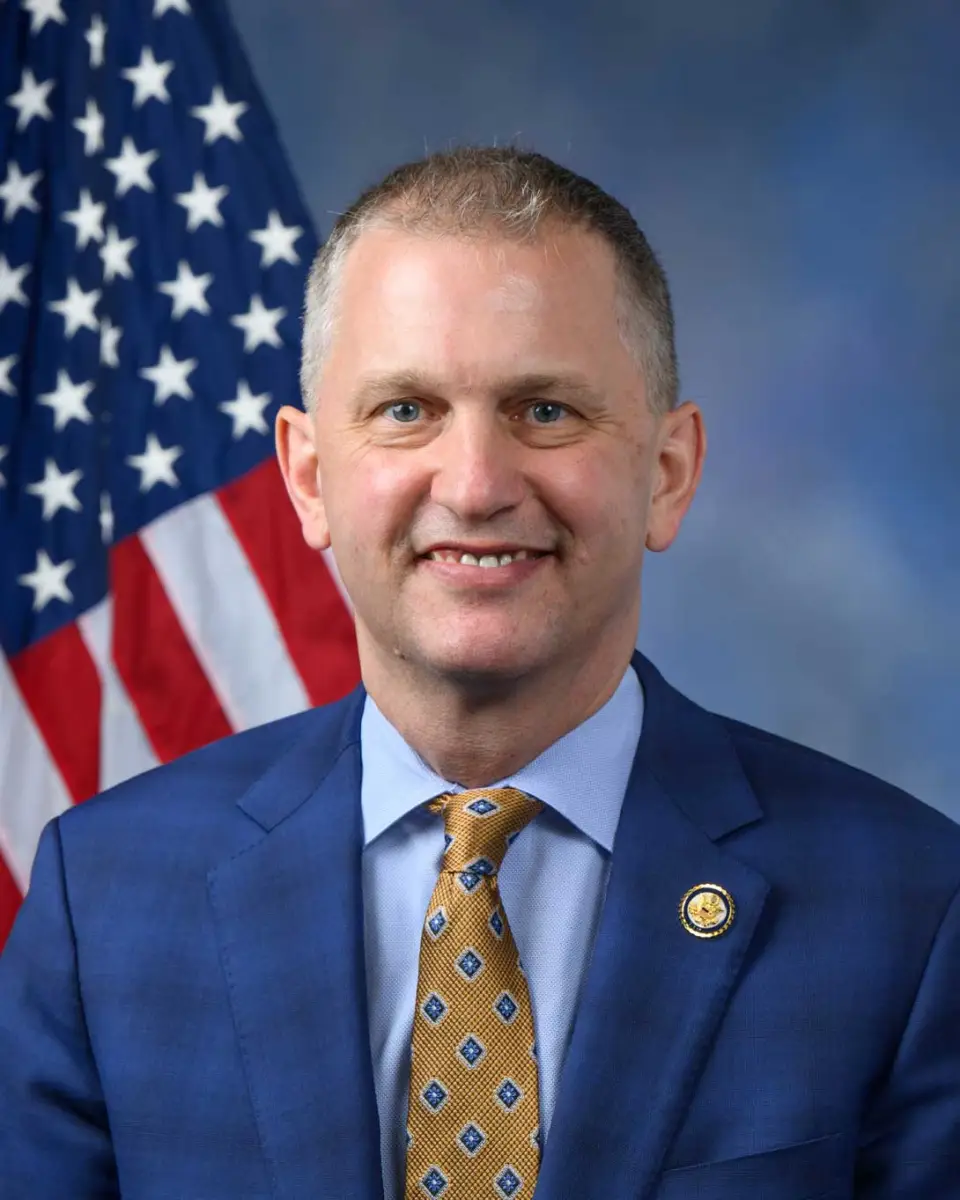
Rep. Sean Casten introduced H.R. 11092 on November 19, 2026, and with Rep. Ted Lieu announced it the next day as the Policing Insider Trading in Prediction Markets Act of 2026. The bill, now before the House Judiciary and Education and Workforce Committees, would create a Justice Department program paying whistleblowers 10% to 30% of monetary sanctions above $1 million in successful federal fraud cases involving a prediction-market platform. Official GPO text is not yet on Congress.gov; the provisions below come from the draft Casten's office posted with the announcement.
 8 Min Read
Overview
- Congress.gov records that Casten introduced H.R. 11092 on November 19, 2026, and that it was referred to the House Judiciary Committee and the Committee on Education and Workforce; the bill's status is Introduced.
- As of November 22, 2026, Congress.gov said official text had not been received from the Government Publishing Office. Casten's November 20 press release linked a legislative counsel draft dated October 8, 2026, as the text of the legislation.
- That draft would add 28 U.S.C. § 524(c)(1)(K), allowing awards from the Justice Department Assets Forfeiture Fund of 10% to 30% of monetary sanctions in a "covered enforcement action" — a Justice Department criminal investigation, action, or settlement, including work coordinated with other federal or state authorities, that relates to a federal fraud offense involving a prediction-market platform and results in sanctions exceeding $1 million.
- "Original information" would have to come from the whistleblower's independent knowledge or analysis, not already be known to the Attorney General or any other federal agency from another source, and not be derived solely from public sources. Tips could be submitted anonymously through counsel, but the person's identity would have to be disclosed before any award is paid.
- Award decisions would be appealable to the Department of Justice within 60 days and then in court under the Administrative Procedure Act. Annual reports to the House and Senate Judiciary Committees would be due by October 30 of each fiscal year after enactment.
The U.S. House of Representatives received H.R. 11092 on November 19, 2026, a bill that would create a Department of Justice program paying awards to whistleblowers whose original information leads to a successful federal fraud case involving a prediction-market platform.
Congress.gov records that Rep. Sean Casten (D-Ill.) introduced the measure that day and that it was referred to the Committee on the Judiciary and, in addition, the Committee on Education and Workforce. The bill has the status Introduced and has not passed either chamber. As of November 22, 2026, Congress.gov stated that official bill text had not yet been received from the Government Publishing Office.
On November 20, Casten and Rep. Ted Lieu (D-Calif.) announced the legislation under the short title Policing Insider Trading in Prediction Markets Act of 2026. A matching release was posted on Lieu's site. Casten's office posted a draft of the bill with the announcement. The PDF is a House legislative counsel draft (file CASTEN_096) dated October 8, 2026, at 1:14 p.m. The provisions below are taken from that posted draft, which the press release identified as the text of the legislation.
What the posted draft would do
The draft would add a new subparagraph (K) to section 524(c)(1) of title 28, United States Code, allowing the Attorney General, at their discretion, to pay awards from the Department of Justice Assets Forfeiture Fund to one or more whistleblowers for original information or assistance that led to the successful resolution of a "covered enforcement action."
A covered enforcement action is defined as any criminal investigation, action, or settlement brought by the Attorney General — which may include work coordinated with one or more federal agencies, state attorneys general, or state law-enforcement authorities — that is related to a federal fraud offense involving the use of a prediction-market platform and that results in monetary sanctions exceeding $1,000,000. "Monetary sanctions" would include penalties, disgorgement, and interest ordered to be paid, and money forfeited in connection with the action.
A "prediction market platform" would mean any website, application, exchange, or protocol engaged in interstate or foreign commerce that facilitates trading, settlement, or participation in a contract or agreement tied to the outcome, occurrence, or nonoccurrence of an event or contest.
Eligible whistleblowers who voluntarily provide "original information" that leads to a successful covered action would receive, in the aggregate, not less than 10 percent and not more than 30 percent of the total monetary sanctions, paid from the Fund under the new subparagraph (K). "Original information" means a tip derived from the whistleblower's independent knowledge or analysis, that is not known to the Attorney General or any other federal agency from any other source, and that is not solely derived from public sources.
Awards, identity and appeals
In setting an award amount, the Attorney General would have to consider the significance of the information to the success of the action; the degree of assistance provided by the whistleblower and any legal representative; the interest in deterring violations of federal law and upholding public trust in government; related actions brought by a federal or state regulatory authority or a state attorney general; and other relevant factors the Attorney General determines appropriate.
No award would be paid to a whistleblower convicted of a criminal violation or adjudicated liable in a civil proceeding related to the covered action, or who fails to submit information in the form the Attorney General may prescribe, unless the submission was made in good faith and contains only incidental or technical errors.
A whistleblower may be represented by counsel and may first submit information anonymously if represented by counsel. Before any award is paid, however, the person would have to disclose their identity, and provide other information the Attorney General may require, directly or through counsel.
The Attorney General would have to give written notice explaining the amount of an award or a denial. A claimant could file an agency appeal with the Department of Justice not more than 60 days after that determination, and could then seek judicial review under chapter 7 of title 5, United States Code. Payment would be made as soon as practicable after the later of the date the monetary sanction is collected or the completion of the appeals process for all related award claims.
Not later than 180 days after enactment, the Attorney General would have to issue guidance covering, among other things, anonymous submissions through counsel, written and objective award criteria and definitive timelines, internal appeal processes, whistleblower security, privacy and confidentiality, and coordination with other federal agencies. Beginning after enactment, a report would be due not later than October 30 of each fiscal year to the House and Senate Judiciary Committees on the number of awards granted, the types of cases involved in the preceding fiscal year, and the amount paid from the Fund.
The draft would also bar an employer from discharging, demoting, suspending, threatening, harassing, directly or indirectly, or otherwise discriminating against a whistleblower in the terms and conditions of employment because of a lawful act done in providing information to the Attorney General, or in initiating, testifying in, or assisting in a related investigation or covered action.
What the sponsors said, and where the bill stands
"It is reprehensible that government insiders are profiting off advanced knowledge of when and where the United States will conduct military strikes," Casten said in the November 20 release. "Prediction markets have a serious insider trading problem." Lieu said government insiders "should not be able to profit from betting on U.S. military operations or the contents of a President's speech" and that the bill would "encourage whistleblowers to report insider trading on prediction market platforms like Kalshi and Polymarket."
The release cited, as examples the sponsors said had emphasized the need for the bill, an anonymous trader who "has made nearly $1 million from dozens of suspiciously timed and accurate bets on military actions that the United States has taken against Iran"; another who "made more than $550,000 from bets that Iran's Supreme Leader would be removed, just before his assassination"; a claim that "President Trump's teleprompter operator earned more than $100,000 by betting on which words the President would use in his speeches"; and a Nobel Institute inquiry into a bet placed by a newly created account on Venezuelan opposition leader María Machado winning the Nobel Peace Prize hours before the announcement, resulting in a profit of more than $50,000. Those accounts are the sponsors' statements in the press release; they are not findings in the bill text.
The release said the legislation is endorsed by Citizens for Responsibility and Ethics in Washington (CREW), the Project on Government Oversight (POGO), Transparency International U.S., the Institute of Internal Auditors, Americans for Financial Reform, and Public Citizen, and that earlier this year Casten and Lieu led 54 House Democrats in urging the Justice Department to more aggressively pursue insider-trading violations on prediction markets.
The bill would not become law unless the House and the Senate pass the same measure and the President signs it. Two days earlier, the Senate passed a separate measure, the DEATH BETS Act, which would restrict certain war, military, and death event contracts under the Commodity Exchange Act. Prediction-market disputes in the courts are tracked separately in AskSpinner's prediction-market lawsuits tracker.
Cite This Article
Topics In This Story
Related Countries

The Newsroom covers the gambling industry, game providers, casino services and the public information that helps readers understand them. Its explainers focus on clear definitions, the scope of available evidence and practical questions for readers.
More From This Author