
PAGCOR's self-exclusion register reached 40,043 self-exclusions in 2026, but its reach stops at licensed sites
PAGCOR's National Database of Restricted Persons held 40,551 active exclusion records filed in 2026 as of October 31, including 40,043 self-exclusions, against 2,676 for all of 2025. Under PAGCOR's form and Responsible Gaming Code, an exclusion applies across sites PAGCOR operates, licenses or regulates, online included. It does not reach unlicensed sites, and PAGCOR's published exclusion sheets do not report how many breaches have been raised or penalised.
 5 Min Read
Overview
- PAGCOR's exclusion data sheet for October 31, 2026 lists 40,551 active records filed in 2026: 40,043 self-exclusions, 452 family exclusions and 56 licensee-initiated exclusions. The 2025 total was 2,676.
- PAGCOR's September 30 sheet showed 33,800 for 2026, with 793 family and 117 licensee-initiated records. Both categories are lower in the October sheet, which does not explain the change.
- An exclusion lasts six months, one year or five years, and the first six months cannot be revoked. The application form says the person cannot collect winnings or recover losses while it is in force.
- The exclusion is enforced on sites PAGCOR operates, licenses or regulates. PAGCOR says any site claiming a PAGCOR offshore licence is fraudulent, and unlicensed sites fall outside the database.
- The Responsible Gaming Code sets a penalty of ₱100,000 per entry or play for each person in the database. The exclusion sheets count records, not breaches or sanctions.
PAGCOR's database of excluded players held 40,551 active records filed in 2026 as of October 31, according to the regulator's latest exclusion data sheet. Of those, 40,043 were self-exclusions. The same sheet shows 2,676 records for all of 2025. The exclusion applies to sites PAGCOR operates, licenses or regulates, and the sheets published so far count records only: they do not say how many players have reported getting in despite an exclusion, or how many operators have been penalised.
How fast the register grew
PAGCOR's National Database of Restricted Persons (NDRP) is the list operators use to turn away barred players. PAGCOR's quarterly sheets show how the 2026 count moved:
PAGCOR sheet | 2026 records | Of which self-exclusion |
|---|---|---|
March 31 (Q1 filings recorded) | 3,101 | 3,046 |
June 30 (Q1 + Q2 filings recorded) | 6,691 | 6,574 |
September 30 (active records) | 33,800 | 32,890 |
October 31 (active records) | 40,551 | 40,043 |
The sheets use different counts. The June figures are filings recorded by quarter, while the September and October sheets count records still active, so lapsed orders drop out. Family exclusions, filed by a spouse, parent or child, stood at 793 on September 30 and 452 on October 31. Licensee-initiated exclusions went from 117 to 56. The October sheet does not explain either drop.
PAGCOR Chairman and CEO Alejandro Tengco said on October 11 that the agency had approved close to 40,000 self-exclusion applications in six months, Philstar reported, up from fewer than 2,000 previously.
What an exclusion covers
According to PAGCOR's player exclusion page, exclusion "will be implemented across all sites, licensed and operated by PAGCOR." Its Responsible Gaming page says persons in the NDRP are barred from playing "on any online gaming platform." The self-exclusion application form (Form GLDD-889, revision 6, effective August 24, 2026) asks applicants to tick the venues they use, including e-Games, e-Bingo, poker clubs, casinos and sports betting.
The form also sets out the terms:
- the period is six months, one year or five years, and the first six months are irrevocable;
- PAGCOR gives the applicant's name and details to all establishments it operates and regulates;
- the applicant "shall not be eligible to collect any winnings or recover losses resulting from any gaming activity" while the exclusion is in effect.
PAGCOR's exclusion page and Responsible Gaming Code add that the order is lifted automatically when the period ends.
A person can apply through PAGCOR's online portal, osea.pagcor.ph, or by email, with a government photo ID. PAGCOR's Responsible Gaming Code of Practice says the database is accessible online to authorised representatives of gaming operators. Spouses, children and parents can apply separately for a family exclusion, for six months, one year or three years.
Where the exclusion stops
The exclusion is tied to PAGCOR's licensing. PAGCOR's offshore gaming notice says all internet gaming licences were cancelled effective December 15, 2024, and that "any company or gaming website claiming to hold a valid offshore gaming/internet gaming license from PAGCOR is fraudulent and unauthorized." For sites that never held a licence, Tengco told a House hearing in August 2025, per Philstar, that "there is nothing we can suspend nor there is anything that we can cancel," and that PAGCOR refers such cases to law enforcement.
PAGCOR's pages point players to its licence-check site, pagcorguarantee.ph, and to the Cybercrime Investigation and Coordinating Center (cicc.gov.ph) for reporting illegal sites. AskSpinner's PAGCOR licence checker organises the regulator's published lists, and the regulator's rules on licensed operators are set out in AskSpinner's Philippines licence guide.
Penalties and complaints
The Responsible Gaming Code of Practice, Version 6.0, includes a table of penalties for prohibited persons. For persons included in the NDRP, as for government officials, members of the armed forces and police, and holders of gaming employment licences, it lists ₱100,000 per entry or play per person. For players under 21, the penalty is closure of the gaming site. The Code also says its intention is that an exclusion order "be not revoked before the expiration date."
PAGCOR's Responsible Gaming page links to an Online Gaming Platform Helpdesk for concerns about withdrawals, account access, account verification, transactions and "other account-related matters." The exclusion sheets and the Code do not publish figures for breach reports or penalties imposed.
What players are posting
Posters on a public Philippine gambling-recovery forum have written in recent weeks that excluded accounts could still log in, that a new site or a social-media ad reached them after they applied, and that a support agent told one player there was no exclusion record. Others wrote that approval came within a day and that they could no longer log in anywhere. AskSpinner could not verify any of these accounts, and PAGCOR's published data does not measure the issue. Because the database applies only to PAGCOR-licensed sites, a player who reaches an unlicensed site is outside it. PAGCOR's advertising rules for licensed operators are covered in AskSpinner's report on Philippine gambling endorsers.
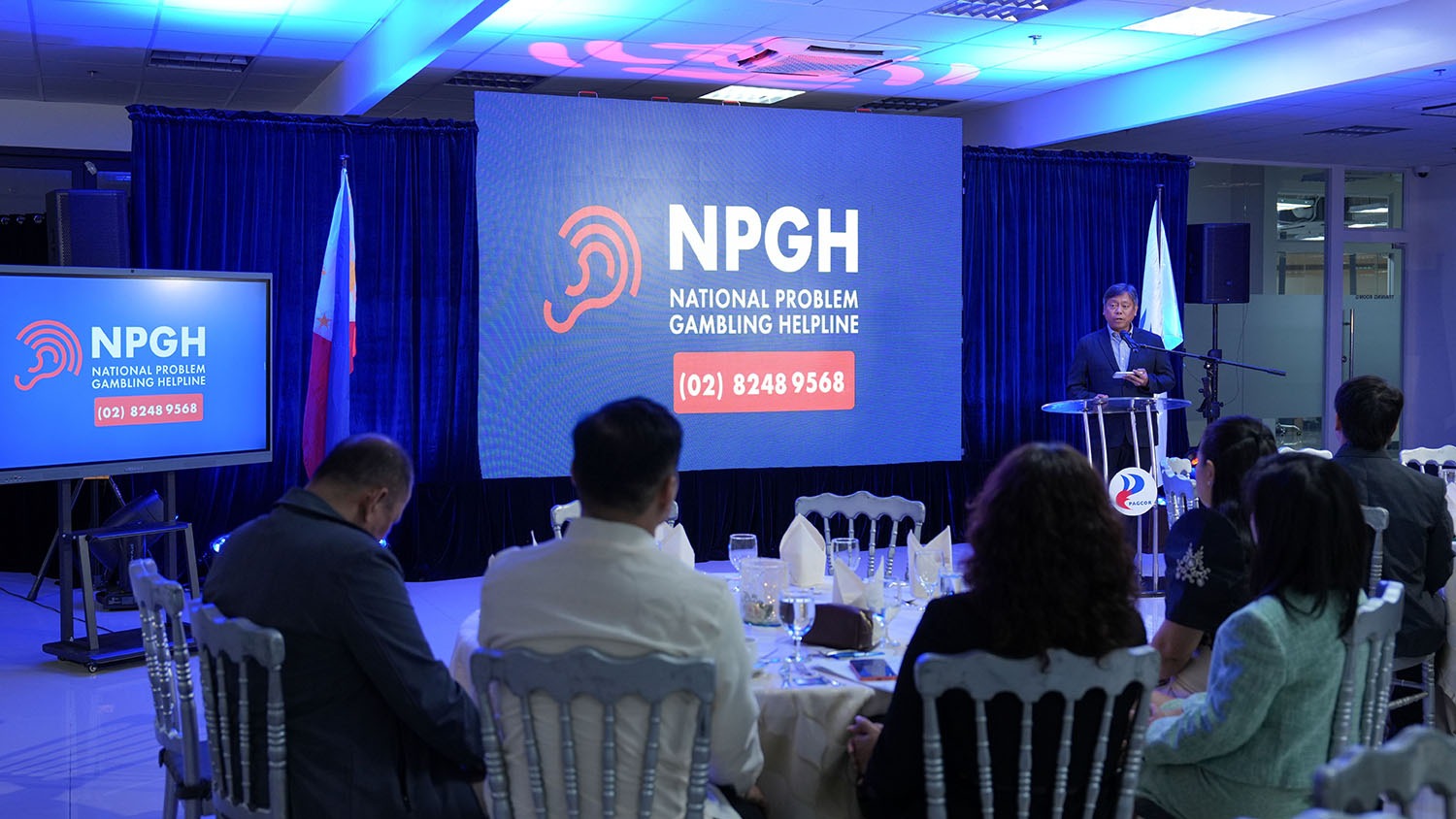
PAGCOR's National Problem Gambling Helpline runs around the clock at (02) 8248-9568. If you or someone you know is struggling with gambling, free confidential support is available from Gambling Therapy.
Updated November 12, 2026: The self-exclusion form terms are listed as three items; the automatic lifting of an order at the end of the period is attributed to PAGCOR's exclusion page and Responsible Gaming Code.
Cite This Article
Topics In This Story
Related Countries

Daniel Tan is an editor at AskSpinner News who believes industry writing can be informed, approachable and engaging. Daniel turns complex subjects into accessible articles and reports, giving readers a welcoming way into unfamiliar topics and room to build their understanding as they read. AskSpinner News desk standards, corrections policy and contact: AskSpinner News desk (https://askspinner.com/news/askspinner-news-desk).
More From This Author