Philippines gambling licence guide: PAGCOR rules, fees and process (2026)
The Philippines no longer licenses offshore online gaming: Executive Order No. 74 ended POGO and internet gaming licences, and PAGCOR cancelled all of them effective Dec. 15, 2024. Domestic online play is licensed as part of a PAGCOR Gaming License held by a gaming venue operator, running on an accredited Gaming System Administrator's platform. This guide sets out the licence types, fees, deposits, PAGCOR's revenue share and the application steps in PAGCOR's current documents, as of Nov. 2, 2026.
 7 Min Read
Overview
- Offshore and internet gaming licences (POGO/IGL) were banned by Executive Order No. 74 and cancelled effective Dec. 15, 2024.
- Domestic online gaming sits under a Gaming License issued to a gaming venue operator, with a separate licence for each game offering.
- Technology suppliers need their own accreditation: a Gaming System Administrator (GSA) pays PHP 5 million per game offering.
- PAGCOR takes a share of gross gaming revenue: 30% for electronic casino and RNG games, 15% for live sports, live-streamed games and online poker.
- Every venue operator posts a Performance Cash Deposit for each game offering, from PHP 100,000 to PHP 1 million.
Who regulates gambling in the Philippines?
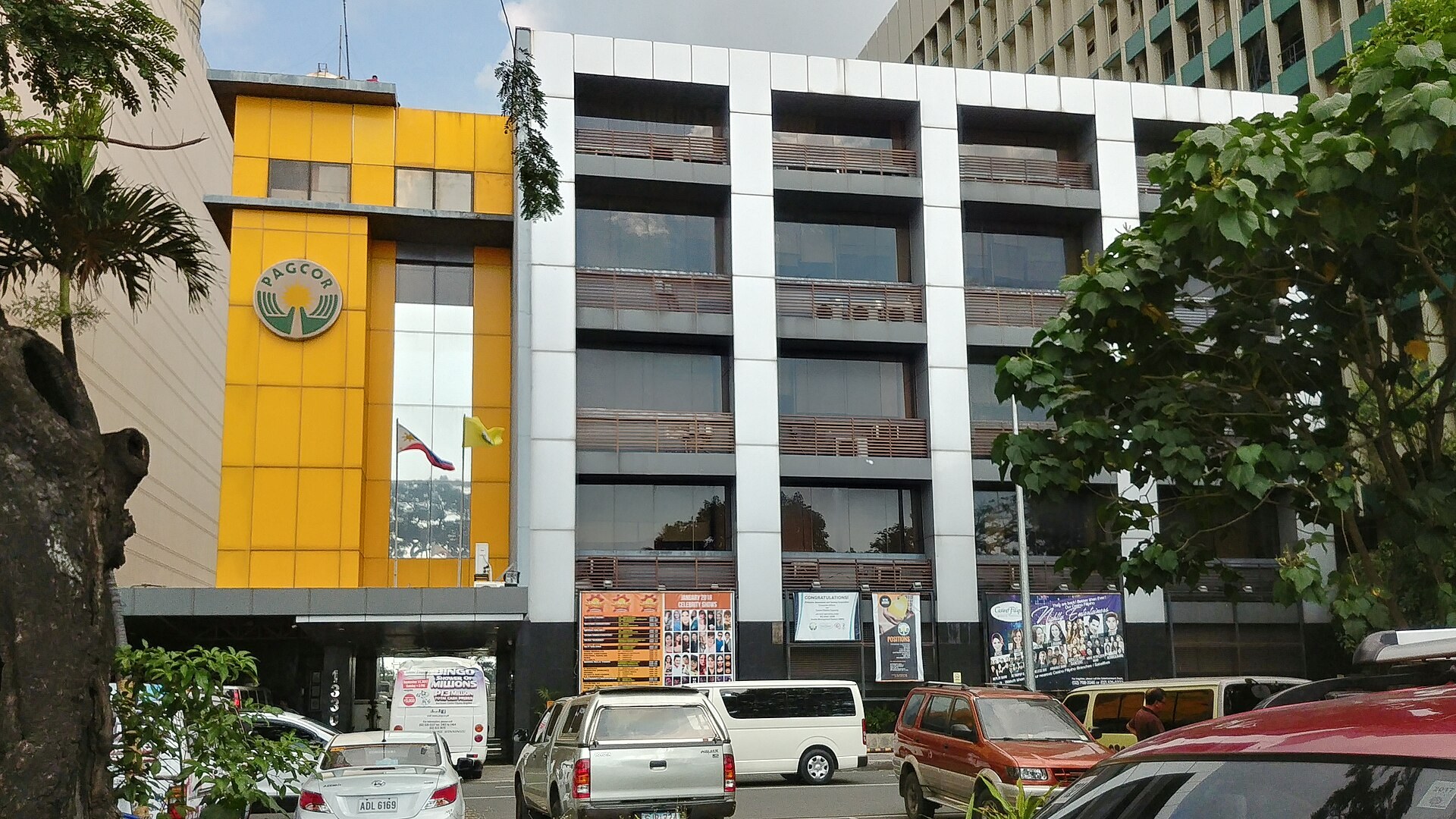
The Philippine Amusement and Gaming Corporation (PAGCOR) licenses and regulates gaming outside the economic zones, and it also runs casinos itself. Its Electronic Gaming Licensing Department handles electronic and online gaming. A separate Remote Operations and Ancillary Services Department covers special-class BPOs and data-streaming providers.
Is online gambling legal in the Philippines?
Only in the domestic, PAGCOR-licensed form. Section 2 of Executive Order No. 74 says new POGO/IGL applications "shall no longer be allowed" and existing licences "shall no longer be renewed or extended". PAGCOR's offshore gaming page says all Internet Gaming Licensees and Authorized Providers were cancelled effective Dec. 15, 2024, and that any website claiming a valid PAGCOR offshore licence is "fraudulent and unauthorized". Many licensing guides online still describe the POGO route. It no longer exists.
PAGCOR's chair was reported by The Philippine Star on Aug. 27, 2026 as saying the regulator had no plans to issue new online gaming licences. PAGCOR has not published this as a formal rule.
PAGCOR licence types
PAGCOR's Regulatory Framework for the Fees and Rates on Gaming Venue Operations (Revision 5, effective Jan. 8, 2026) and its schedule of regulatory fees as of July 2, 2026 set out these instruments:
- Gaming License (GL): issued to the operator of a gaming venue "hosting various game offerings and access to accredited gaming platforms whether on-site betting or online gaming". PAGCOR calls it "a mere privilege" that may be withdrawn "with or without cause".
- Unified Gaming License: a single-licence option listed in the July 2026 schedule, with its own fee and deposit levels.
- Game offerings: electronic casino games, electronic and traditional bingo, sports betting, specialty games, numeric games and online poker. Each offering is licensed separately.
- Gaming System Administrator (GSA): an accredited provider whose platform and games the venue operator uses. PAGCOR does not recognise exclusivity contracts between operators and GSAs.
- B2B accreditation: game content providers, aggregators and support service providers, such as KYC systems, payment gateways, customer service, marketing and testing labs.
Requirements and eligibility
The Rev. 5 framework is written for operators of physical gaming venues. Online play is an extension of a licensed venue, not a separate licence. Applicants also go through PAGCOR's probity checks and must follow its AML/CTPF compliance guide. The documents cited here do not set a minimum paid-up capital or a foreign-ownership cap for venue operators. Figures quoted elsewhere, such as PHP 100 million in paid-up capital, could not be found in PAGCOR's published documents.
How much does a PAGCOR licence cost?
| Item | Amount (PHP) | Note |
|---|---|---|
| GL application, per offering: e-casino, e-bingo, traditional bingo | 300,000 | Valid 3 years |
| GL application, per offering: sports, specialty, numeric, online poker | 200,000 | Valid 2 years |
| GL renewal | 200,000 | Every 2 years |
| Processing fee / inspection fee | 50,000 each | Per offering / venue transfer |
| Unified Gaming License application | 1,200,000 | Valid 3 years |
| Unified Gaming License renewal | 800,000 | Every 2 years |
| Unified Gaming License deposit | 2,000,000 | Per gaming venue |
| Performance Cash Deposit, e-bingo | 1,000,000 | Maintained |
| Performance Cash Deposit, traditional bingo / e-casino | 500,000 each | Maintained |
| Performance Cash Deposit, sports / numeric / online poker | 200,000 each | Maintained |
| Performance Cash Deposit, specialty games | 100,000 | Maintained |
| GSA accreditation | 5,000,000 | Per game offering |
| GSA deposit | 25,000,000 / 50,000,000 | One offering / two or more |
Sources: Rev. 5 framework; schedule of fees as of July 2, 2026. Fees are non-refundable. The deposit is refunded, net of anything owed, when the venue closes. A depleted deposit must be topped up within 30 calendar days, and leaving it short for more than six months in total is a ground for revocation. The schedule also refers to a Minimum Guaranteed Fee set by memorandum (Dec. 15, 2025, amended May 21, 2026). Its amounts are not in the public schedule.
PAGCOR share and tax
Section IV of Rev. 5 sets PAGCOR's share of gross gaming revenue for both on-site and online platforms, from the November 2025 billing period:
| Game offering | PAGCOR share of GGR |
|---|---|
| Electronic casino games; virtual sports; RNG-based specialty and numeric games | 30% |
| Electronic bingo | 25% |
| Traditional bingo | 25% (Nov. 2025); 20% from Jan. 2026 |
| Live sports; live-streamed specialty and numeric games | 15% |
| Online poker (on total rake and fees) | 15% |
PAGCOR adds a 10% audit fee, calculated on the PAGCOR share, for all games except on-site games running on an electronic gaming system. Integrated-resort casinos offering electronic games pay a maximum of 22% of GGR, plus the 5% franchise tax and the 10% audit fee. To qualify, the resort needs an investment commitment of at least US$200 million and must run its own platform as an accredited GSA. PAGCOR's share is due every Monday with a weekly report. A negative share from on-site play cannot be offset against online play.
How to apply
- Prepare the documents listed in the framework for each game offering and the venue, and complete probity checks.
- Pay the application and processing fees when the Electronic Gaming Licensing Department issues its payment advice, then submit the official receipt.
- Post the Performance Cash Deposit before operations start, using EG Form No. 2.
- Receive a Gaming License for each offering, and contract an accredited GSA for any online platform.
- Renew every two years with the deposit at its full level.
PAGCOR's published documents do not give an official processing time.
Ongoing obligations
Licensees must:
- remit the PAGCOR share weekly and file monthly reconciliations;
- keep deposits at the required level;
- follow the AML/CTPF guide;
- use only accredited GSAs and B2B providers. PAGCOR also wants players to be able to check licences on their phones; see PAGCOR's plan for phone-based licence checks.
Recent changes
- Dec. 15, 2024: all offshore licences cancelled.
- Nov. 2025: new GGR share rates took effect from the billing period.
- Jan. 8, 2026: Rev. 5 fee framework took effect.
- March 31, 2026: deadline for existing B2B providers to move to the new accreditation framework.
- May 21, 2026: Minimum Guaranteed Fee memorandum amended.
- July 2, 2026: updated schedule of regulatory fees, including the Unified Gaming License. For PAGCOR's finances, see PAGCOR's nine-month 2026 results.
FAQ
Can a foreign company get a PAGCOR online licence? Not for offshore players. Offshore licences were abolished in 2024. Online play is licensed only through a domestic gaming venue operator.
How much does a PAGCOR licence cost? The application fee is PHP 200,000 to 300,000 for each game offering, plus a deposit of PHP 100,000 to 1 million. A Unified Gaming License costs PHP 1.2 million plus a PHP 2 million deposit per venue. GSA accreditation is PHP 5 million per offering.
How long is a PAGCOR licence valid? Two or three years, depending on the offering, and renewals run every two years.
What percentage does PAGCOR take? 15% to 30% of GGR, depending on the game, plus a 10% audit fee on most games.
Is a site claiming a PAGCOR offshore licence legitimate? No. PAGCOR says such claims are fraudulent.
Key official documents
- PAGCOR offshore gaming notice: https://www.pagcor.ph/offshore-gaming.php
- Executive Order No. 74: https://elibrary.judiciary.gov.ph/thebookshelf/showdocs/5/98047
- Fees and Rates framework, Rev. 5: https://www.pagcor.ph/regulatory/pdf/announcements/Regulatory-Framework-for-the-Fees-and-Rates-on-Gaming-Venue-Operations-Rev-No-5.pdf
- Schedule of regulatory fees (July 2, 2026): https://www.pagcor.ph/regulatory/pdf/schedule-of-fees.pdf
- Remote operations and ancillary services: https://www.pagcor.ph/regulatory/remote-operations-and-ancillary-services.php
Information as of Nov. 2, 2026.
If you hold rights to images used in this article and have concerns, please contact us at support@askspinner.com.
Cite This Article
Topics In This Story
Related Countries

Andrea Rivera explores the evolving world of iGaming through the companies trying new things and the markets taking shape around them. An editor at AskSpinner News, Andrea combines research with storytelling, bringing information and perspective to industry analysis without losing the story that makes it worth reading.
More From This Author