
Four Years After the Ban, Philippine Police Are Still Calling to “Stop E-sabong”
Philippine police units renew calls to stop illegal cockfighting and e-sabong, four years after the ban, without providing specific case details.
 2 Min Read

Overview
- Philippine police units renew calls to stop illegal cockfighting and e-sabong, four years after the ban, without providing specific case details.
Archival view of Camp Crame in Quezon City, 8 November 2012. Used for Philippine police institutional context; it does not depict an e-sabong operation or the October 2026 local campaigns discussed here. Copyright: Ramon FVelasquez / Wikimedia Commons, CC BY-SA 3.0. Source photograph reproduced without alteration; the website displays a cropped thumbnail.
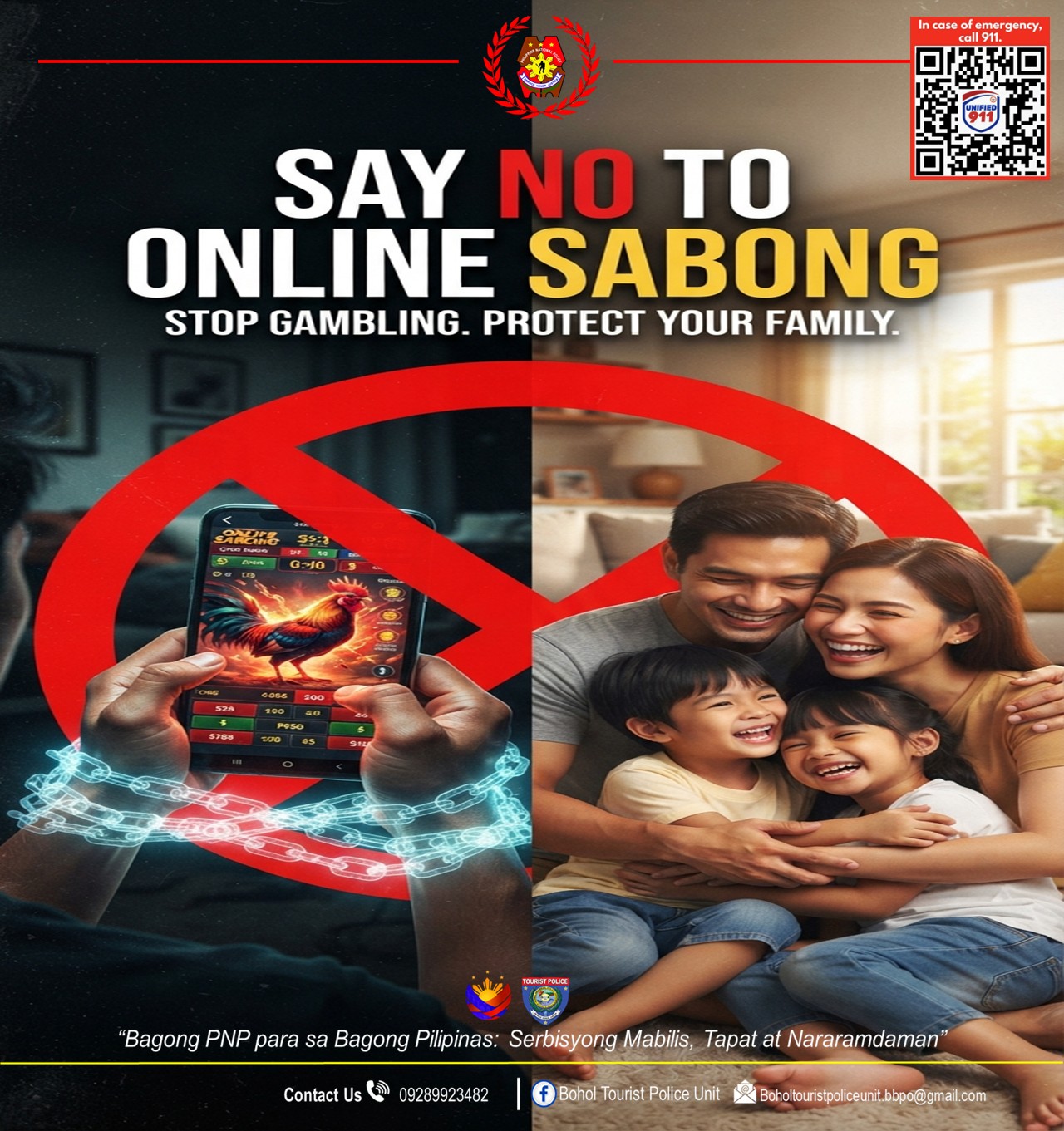
A campaign image against illegal cockfighting issued by a local Philippine police unit
In May 2022, then-President Duterte halted online cockfighting (e-sabong), citing its social harm. More than four years later, Philippine police are still repeatedly calling for it to “stop.”
From October 14 to 19, several local units of the Philippine National Police (PNP) issued a cluster of announcements on combating illegal cockfighting and e-sabong:
- Iligan City Police Station 5 issued announcements on both October 14 and 15, titled “Online Cockfighting (E-sabong) Is Prohibited.”
- The 2nd Lanao del Norte Mobile Force announced on October 15 that it was “intensifying operations against illegal cockfighting and e-sabong.”
- Local tourist police issued an appeal on October 19: “Stop illegal cockfighting and e-sabong!”
None of these announcements provided specific enforcement numbers or case details, and this article did not find a national-level bulletin on a coordinated operation either. Several units posting on the same subject during the same week may reflect coordinated instructions from higher up, but that is only speculation.
E-sabong grew explosively during the pandemic: cockfights were streamed live online, and viewers placed bets online. Illegal livestreams and underground betting have never ceased since the ban was imposed.
Judging from this round of publicity, the likelihood of e-sabong being legalized again in the short term is very low, and the associated livestreaming and payment channels remain police targets. However, there is only so much that publicity materials can tell us; they can be treated only as an indication of the direction of enforcement.
Sources
Cite This Article
Topics In This Story
Related Countries

Patricia Cruz aims to bring a different perspective to familiar industry conversations. Through in-depth articles and thematic reports at AskSpinner News, Patricia draws attention to details worth questioning and connections that can be overlooked, using the news as a starting point for a closer look at the business of iGaming.
More From This Author