“Almost Impossible Not to Notice”: Brazilian Finance Ministry Document Details How Blaze Let Its Biggest Bettor Slip Through
Brazilian media cite an SPA document scrutinising Blaze’s monitoring of Willer Tomaz’s transactions; the operator and the lawyer dispute the allegations.
 5 Min Read
Overview
- Brazilian media cite an SPA document scrutinising Blaze’s monitoring of Willer Tomaz’s transactions; the operator and the lawyer dispute the allegations.
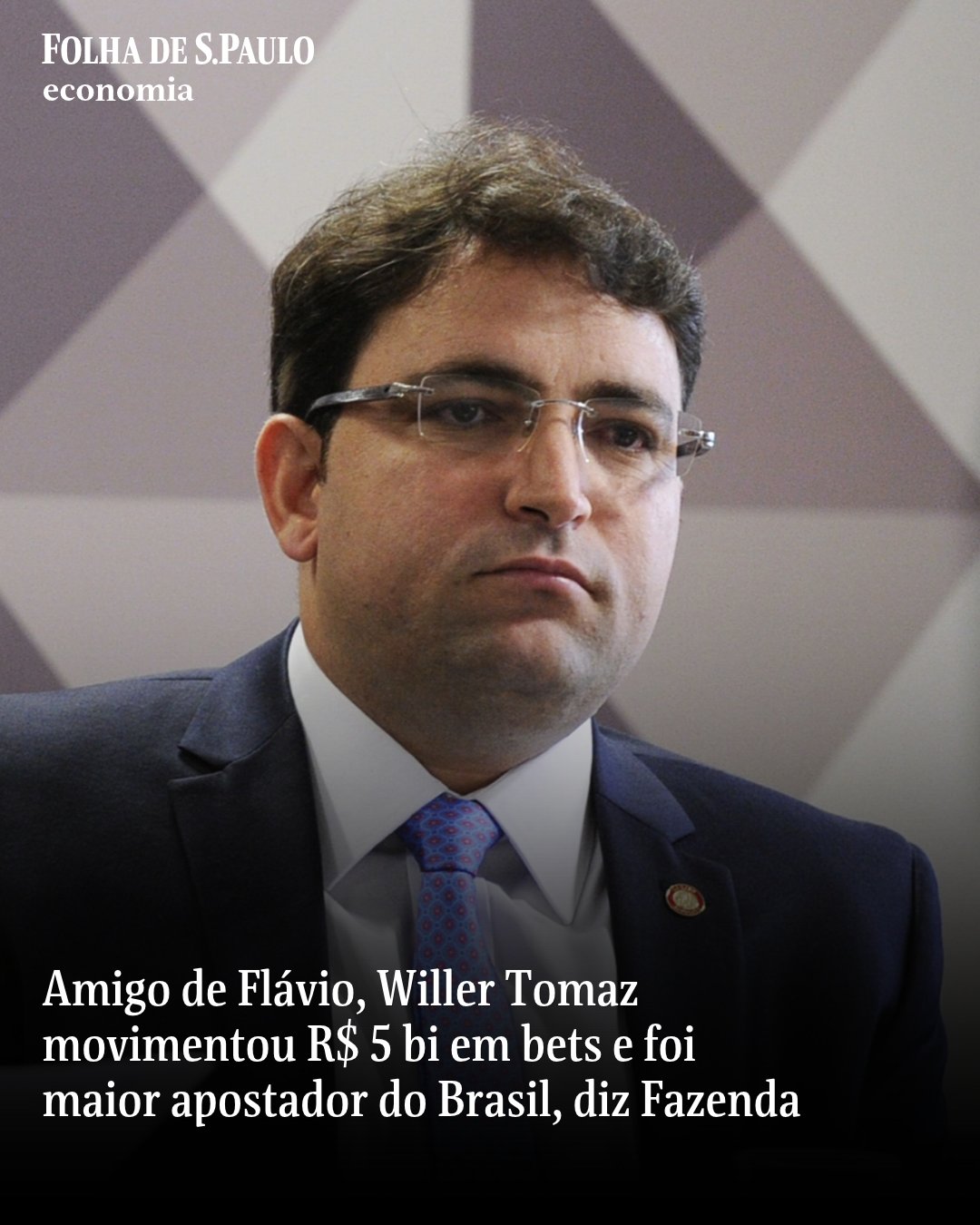
Brazilian newspaper Folha de S.Paulo’s coverage of the case. Image credit: Folha de S.Paulo
On October 30, 2025, lawyer Willer Tomaz deposited R$7 million into his Blaze account in a single day, through 14 transactions of R$500,000 each. The next day, he withdrew R$6 million within 18 minutes.
These details come from a technical note (nota técnica) issued by the Secretariat of Prizes and Betting (SPA) at Brazil’s Ministry of Finance. The document has not been made public. News portal UOL first disclosed it on October 20, and Folha de S.Paulo said it had also seen the document. Everything below comes from these two outlets’ quotations from the document; the original could not be obtained for this article.
R$5 Billion Is Turnover, Not the Original Stake
The most widely circulated figure, “R$5 billion wagered in a year”, needs to be understood in context. Folha de S.Paulo explained that most of this R$5 billion was money circulating within the platform: winnings were wagered again, and losses were followed by further deposits. Tomaz’s defence also emphasised that the betting volume represented “continuous, repeated bets with the same money, not new funds”.
Another statement in the document gives a better sense of the scale. According to Folha de S.Paulo’s account, he was “by a wide margin” the individual with the highest combined deposits and withdrawals on Brazil’s licensed platforms in 2025, “totalling approximately R$350 million, more than 60% above the person in second place”. This included more than R$258 million in deposits and nearly R$200 million in withdrawals. Some earlier secondhand accounts said his betting volume was “twice that of the runner-up”, which does not match this wording in the document.
According to UOL, he mainly played live baccarat before moving to a “Blaze VIP Blackjack” table that Blaze had opened specifically for him. Over the year, he placed 629 bets of more than R$500,000 each. On November 11, he placed 12 bets in five minutes, totalling more than R$5 million. Citing the document, legal information website JusConsulta said he made 3,408 withdrawals over the year, of which 1,629 were for exactly R$100,000.
The Platform Is the Target
The SPA did not say that Tomaz laundered money. The document focuses on Blaze and Foggo Entertainment, the company operating the brand.
As quoted by UOL, the document says these transactions “clearly” fell within the scope of those requiring analysis, and that it was “almost impossible” for the platform not to have noticed turnover running into billions of reais. The SPA saw “indications of negligence or intent” on Blaze’s part and said this neglect “may have stemmed from a desire not to lose this revenue”.
The document also listed several specific problems:
- Blaze classified Tomaz as a “medium”-risk customer throughout the year. Under Blaze’s own criteria, his previous arrest on suspicion of corruption could have placed him in the highest risk category.
- Blaze itself considered deposits exceeding R$50,000 a risk factor, while his total deposits were “more than five thousand times” that threshold.
- In 2025, Blaze reported only seven suspicious transactions to financial intelligence agency Coaf, all involving bets of less than R$1,000.
- In March 2025, Blaze told the regulator it had automated transaction monitoring, then admitted in December that it had no such tool. The document’s wording was that the platform “lied to the regulator”.
The Ministry of Finance has reportedly opened administrative penalty proceedings against Blaze, with a maximum fine of R$2 billion. Blaze responded that the company “strictly complies with current laws and regulations” and has ongoing anti-money-laundering and transaction-monitoring systems. Tomaz said the funds came from lawful sources and had been declared to the tax authority, and that the ministry’s figures “do not reflect the facts”. He also questioned why a confidential document had reached the media during the election period.
The System Could See It; the Platform Did Not Look
The reason the document could set out so much detail is SIGAP. Since the licensing regime took effect in January 2025, all authorised platforms have been required to report users’ deposit, withdrawal and betting records to the SPA every day, identified by individual taxpayer number (CPF). The regulator immediately identified the biggest customer in those data, while the platform, holding the same data, rated him as medium risk.
This is what the industry should really be paying attention to. Being licensed is not just about paying taxes and obtaining a licence: the regulator will use the data submitted by the platforms themselves to check, item by item, whether they have fulfilled their anti-money-laundering obligations.
Tomaz’s personal ties to presidential candidate Flávio Bolsonaro, and his connection to the investigation into fraud at social security agency INSS, quickly politicised the case on the eve of the election. But politics aside, penalty proceedings carrying a maximum fine of R$2 billion are enough to make every licensed platform review its list of major customers.
Sources
- UOL: https://noticias.uol.com.br/colunas/natalia-portinari/2026/10/20/amigo-de-flavio-aplicou-r-13-mi-em-bet-suspeita-de-operar-para-o-pcc.htm
- Folha de S.Paulo: https://www1.folha.uol.com.br/mercado/2026/10/amigo-de-flavio-willer-tomaz-movimentou-r-5-bi-em-bets-e-foi-maior-apostador-do-brasil-diz-fazenda.shtml
- JusConsulta: https://www.jusconsulta.com.br/noticias/fazenda-aponta-r-5-bi-em-apostas-e-saques-suspeitos-de-investigado-pela-pf
- Link to Folha de S.Paulo’s earlier report: https://x.com/folha/status/2112612822345519187
- Note: The SPA technical note is a confidential document and has not been made public; the original was not obtained for this article. All quotations in the article are reproduced from UOL and Folha de S.Paulo.
Cite This Article
Topics In This Story
Related Countries

Patricia Cruz aims to bring a different perspective to familiar industry conversations. Through in-depth articles and thematic reports at AskSpinner News, Patricia draws attention to details worth questioning and connections that can be overlooked, using the news as a starting point for a closer look at the business of iGaming.
More From This Author