Illinois moves to bring its 50,000 video gaming terminals under self-exclusion, with ID checks and optional cashless accounts
The Illinois Gaming Board on 22 October approved a proposed rule that would add video gaming to the state's voluntary Self-Exclusion Program. Players would need identity checks at redemption terminals before buying vouchers, and operators could offer optional cashless accounts with KYC, AML controls and self-set limits. The proposal still requires Joint Committee on Administrative Rules approval and a public comment period.
 5 Min Read
Overview
- IGB on 22 October approved a proposed rule to bring Illinois video gaming into the Self-Exclusion Program.
- About 50,000 terminals and nearly 9,000 licensed establishments would require ID checks at redemption devices.
- Operators could offer optional cashless player accounts with KYC, AML and self-set responsible gaming limits.
- A Capitol News Illinois report cited research that cashless players bought 92% more credits per session than cash players.
- The proposal still needs JCAR review and public comment; LNW Gaming is contracted for the technology upgrade.
The Illinois Gaming Board (IGB) on 22 October approved a proposed rule that would add video gaming to the state's voluntary Self-Exclusion Program for problem gamblers. Players would have to pass identity verification at redemption terminals before buying vouchers, and terminal operators could choose to offer cashless player accounts with KYC, anti-money-laundering controls and self-set limits. The proposal now goes to the legislature's Joint Committee on Administrative Rules (JCAR) and a public comment period before it can take effect.
What the board approved
According to the IGB's press release of 22 October, the rule would let people enrolled in the Self-Exclusion Program exclude themselves from the state's network of roughly 50,000 video gaming terminals. Exclusion would be enforced through identity verification at video gaming redemption terminals. The rule also sets out a framework for video gaming player accounts, cashless wagering and responsible gaming limits.
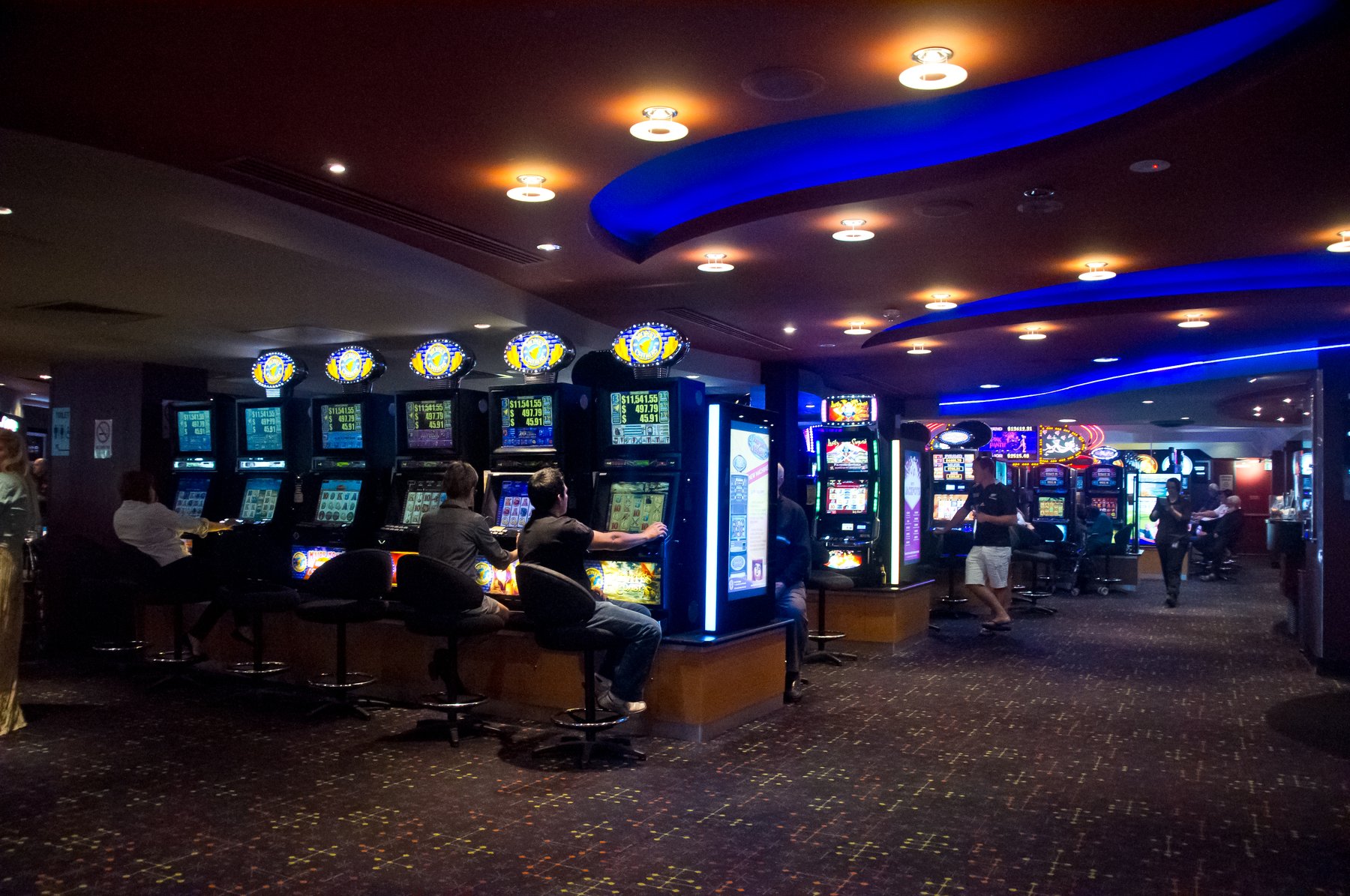
Until now, self-exclusion in Illinois has covered casinos, sports wagering and fantasy contests, but not video gaming terminals, which sit in bars, petrol stations and other licensed establishments across the state. The IGB says Illinois has nearly 9,000 licensed video gaming establishments.
"Nothing like this has been implemented at the size and scale of the Illinois video gaming market, which is the largest video gaming network of its kind in the world," IGB Administrator Marcus D. Fruchter said in the release. He said the rule would bring video gaming's problem gambling protections in line with those for casinos and sports wagering, and "set clear guardrails as the video gaming industry moves toward digital payments."
How play would change
Capitol News Illinois, which covered the meeting, reported that terminals would no longer accept cash directly under the proposal. Players would instead buy vouchers from a payout device, using cash or a digital video gaming account. Both routes would require identity verification to confirm the player is at least 21 and not on the self-exclusion list.
Accounts would be optional for operators and players. Under the IGB release, accounts would be funded through approved payment methods and be subject to age and identity checks, privacy and security controls, and KYC and AML requirements. Every account must let patrons set their own responsible gaming limits. Capitol News Illinois added that operators offering accounts would have to keep self-excluded people from opening them and stop sending them promotions, and could run rewards programmes for other players.
The cashless trade-off
The board itself flagged cashless play as an issue for the comment period. Capitol News Illinois cited a six-month study by Las Vegas-based Acres Manufacturing, which found cashless players bought 92% more gambling credits per session than cash players. Fruchter told the outlet the board wants to discuss this further during public comment.
The stakes are large. Capitol News Illinois reported that video gaming machines generated more than $1 billion in state and local tax revenue last fiscal year, with players losing more than $3.3 billion. These figures come from the outlet's reporting, not from the IGB release.
Timeline and technology
The rule now goes to JCAR. Capitol News Illinois said that review usually takes six months to a year. The outlet also reported that the IGB has contracted LNW Gaming to upgrade the state's machines so they can connect to the self-exclusion list while protecting player data, and that Fruchter expects the technology to be ready next year.
The proposal follows September action in which the board revised self-exclusion rules to add tiered enrollment periods, more ways to enroll and a voluntary 12-month Marketing Exclusion List for people leaving the program. The board also passed a resolution then directing staff to bring video gaming into the program.
Other decisions at the meeting
The IGB also approved proposed amendments on licensing and badges for casino employees in non-gaming jobs, and accepted Hollywood Casino Aurora's request for initial consideration of its casino owner's licence renewal, with a final decision set for the board's 10 December 2026 meeting.
Why it matters
Illinois is trying to apply player-level controls to a retail slot network that has largely run on anonymous cash. The same tension shows up elsewhere: regulators want to know who is playing, while the move to digital payments can make it easier to spend more. Spain and Germany are working on the same problem online with cross-platform deposit limits, which AskSpinner compared in an earlier report. For a look at how self-help channels feed into treatment, see our report on South Africa's gambling helpline and treatment referrals. On the U.S. state front, Utah and Ohio's recent moves on prediction markets show how regulators are also tightening rules around who can participate and who supplies the market.
Cite This Article
Topics In This Story
Related Countries

Teresa Domingo is an editor at AskSpinner News, turning fresh iGaming insights into engaging, accessible content. Teresa’s writing connects the latest developments with the stories behind them, aiming to give busy industry readers both a timely update and a new idea worth following.
More From This Author