Wisconsin sports betting: eight tribes ask court to throw out lawsuit against Act 247 mobile wagering law
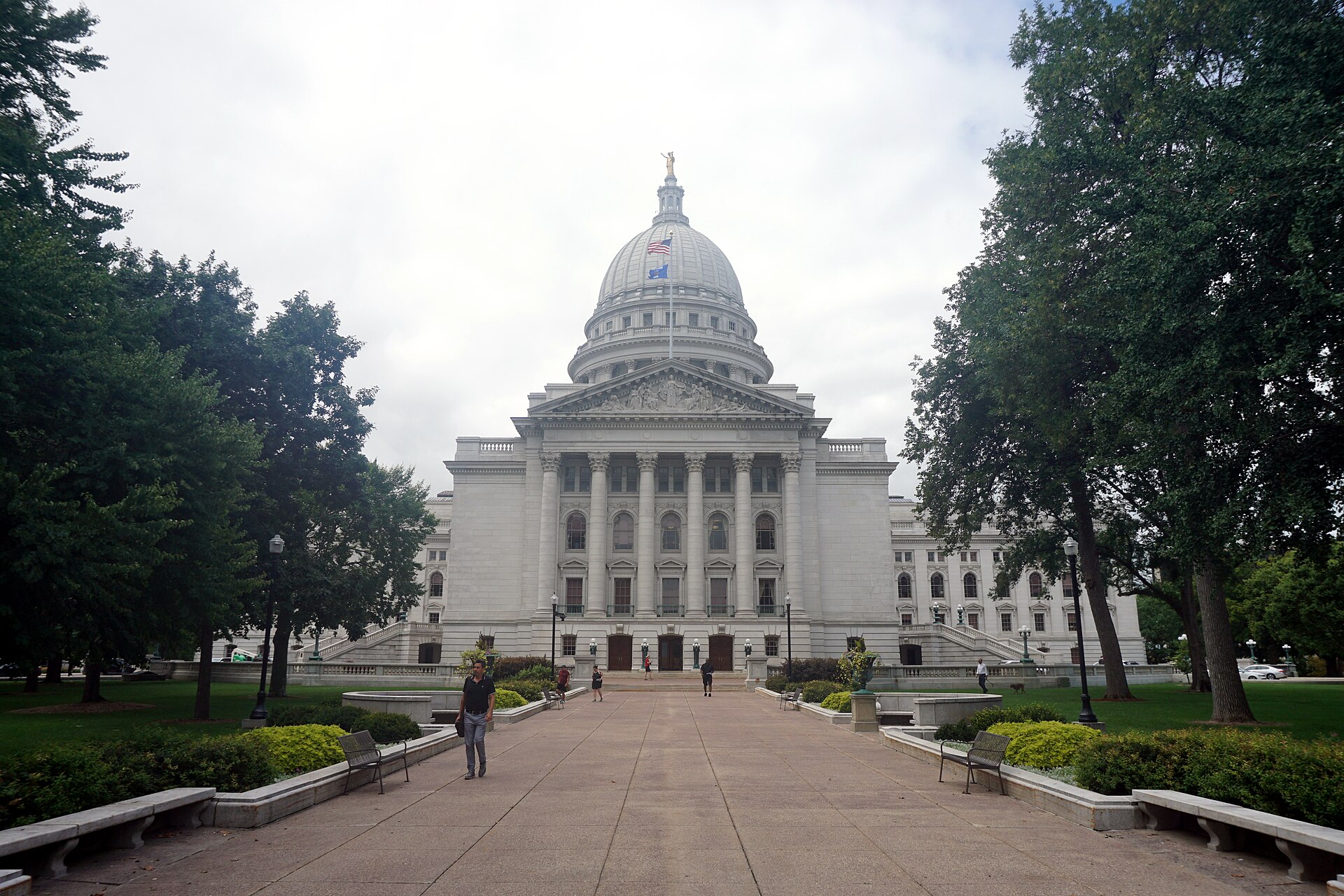
Eight Wisconsin tribal nations, including the Oneida Nation and the Menominee Indian Tribe of Wisconsin, have filed a 36-page brief asking a Waukesha County judge to dismiss a lawsuit that seeks to strike down 2025 Wisconsin Act 247, the law that opens a path to statewide mobile sports betting run through tribal servers. The challenge, brought in August by two taxpayer groups represented by the Wisconsin Institute for Law & Liberty (WILL), argues the law breaches the state constitution's 1993 gambling limits and the Equal Protection Clause. A scheduling conference is set for 9 November, and no mobile betting is live in the state yet.
 4 Min Read
Overview
- Eight tribes filed a 36-page brief seeking dismissal of the Act 247 challenge.
- Act 247 lets in-state mobile sports wagers count as placed on tribal land where the server sits.
- Plaintiffs cite the 1993 constitutional gambling limit and equal protection.
- State and tribes argue lack of standing, sovereign immunity and political (not racial) tribal status.
- Scheduling conference on 9 November; no mobile betting is live yet.
What Act 247 does
Governor Tony Evers signed Act 247 on 9 April 2026. The law is one sentence long. It removes from Wisconsin's legal definition of a "bet" any event or sports wager placed by a person in the state on a mobile or electronic device, provided the server that runs the wager sits on a federally recognised tribe's Indian lands in Wisconsin and the wager is conducted under a tribal gaming compact first signed before 1 April 1993. Such wagers are "deemed to have taken place" on the tribal land where the server is located.
In practice, that means online sports betting in Wisconsin would be offered only through tribes, under amended compacts with the state. Placing a bet outside that framework remains a Class B misdemeanour under Wis. Stat. § 945.02. Before mobile wagering can launch, the state and tribes still need to negotiate compact amendments, which also require federal approval under the Indian Gaming Regulatory Act.
The lawsuit: 1993 amendment and equal protection
The Brown County Taxpayers Association and Citizens Defending Liberty filed suit on 5 August 2026 in Waukesha County Circuit Court. The complaint names Evers, Department of Administration Secretary Kathy Blumenfeld, Division of Gaming Administrator John Dillett and Indian Gaming Audit Director Jessie Dushek, all in their official capacities.
It makes two main claims:
- State constitution. Article IV, Section 24, as amended by voters in 1993, bars the legislature from authorising gambling "in any form" beyond listed exceptions. The plaintiffs argue that by decriminalising this type of mobile bet, Act 247 "authorize[s] gambling" in a form voters did not allow.
- Equal protection. The complaint argues that the law gives tribes and their members alone the ability to run statewide mobile betting, and, because tribal enrolment rules use blood quantum, treats that as a race-based benefit under the Fourteenth Amendment.
The plaintiffs ask the court to declare the act unconstitutional, declare any compact amendments carrying it out ultra vires, and bar state officials from negotiating such amendments.
The defence: standing, sovereignty and treaties
The state, represented by Assistant Attorney General Colin Roth, has already responded that the plaintiffs lack standing and fail to state a claim on which relief can be granted, according to local reporting by FOX 11.
The tribes' filing, reported by FOX 11 in mid-October and by the Milwaukee Journal Sentinel on 23 October, also seeks dismissal. According to the Journal Sentinel, the tribes cite tribal sovereignty and immunity from suit, and argue that their relationship with government rests on treaties rather than race. Federal Indian law generally treats tribal status as a political classification rather than a racial one, which is the core of the dispute over the equal protection claim. The tribes also stress that gaming revenue funds services such as healthcare and education. AskSpinner has not obtained the tribes' 36-page brief itself; the arguments above are attributed to those media reports.
A separate fight over prediction markets
The state-court case runs alongside a federal dispute over sports event contracts. On 28 July 2026, US District Judge William Griesbach in the Eastern District of Wisconsin denied the CFTC's request for a preliminary injunction to stop Wisconsin enforcing its gambling laws against event-contract operators such as Kalshi, finding the agency had not shown a likelihood of success. That ruling is now on appeal at the Seventh Circuit. Other states are pressing similar cases; see our report on Utah and Ohio extending their prediction-market actions to market makers and suppliers.
Taken together, the two cases mean Wisconsin is defending a tribal-only model for legal mobile sports betting in state court while arguing in federal court that sports event contracts sold outside that model are illegal betting. Separately, other US states continue to tighten player-protection rules in regulated channels — for example Illinois expanding video-gaming self-exclusion, ID checks and cashless controls.
What comes next
- 9 November 2026: scheduling conference in Waukesha County Circuit Court.
- The court is expected to address standing and the tribes' immunity arguments before reaching the constitutional questions.
- Compact amendments and federal approval are still needed before any statewide mobile sportsbook can go live, whatever the outcome.
Cite This Article
Topics In This Story
Related Countries
Daniel Tan is an editor at AskSpinner News who believes industry writing can be informed, approachable and engaging. Daniel turns complex subjects into accessible articles and reports, giving readers a welcoming way into unfamiliar topics and room to build their understanding as they read.
More From This Author